Skip to content

Reports, papers and policy briefs

Reports, journal papers, policy briefs and discussion papers by Mu Gamma Consultants and our partners. Most are free to download.

Filter by type, theme or year, or search by title.

48 publications
  1. Leveraging treated water reuse for sustainable cooling of artificial intelligence (AI) data centres in India

    Discussion paperSeptember 2026

    Neha Lakhwan, Avanti Roy Basu, Sonia Grover, Girija Bharat (Mu Gamma Consultants); Yugal Kishore Joshi (NITI Aayog)

    This discussion paper looks at the water needed to cool India's growing number of AI and hyperscale data centres, and proposes treated used water as the cooling source. It notes that a 100 MW hyperscale data centre can use nearly 2 million litres of water a day. It suggests a phased, state- and city-specific approach, starting with large facilities in water-stressed cities near sewage treatment plants.

    How to cite: Neha Lakhwan, Avanti Roy Basu, Sonia Grover, Girija Bharat (Mu Gamma Consultants); Yugal Kishore Joshi (NITI Aayog) (2026). Leveraging treated water reuse for sustainable cooling of artificial intelligence (AI) data centres in India. Mu Gamma Consultants.

  2. Status Report: Persistent Organic Pollutants (POPs) in Uttarakhand, India

    ReportMarch 2026

    Vidhi Mathur, Deepak Marathe, Alka Dubey (Toxics Link); research supervised by Piyush Mohapatra

    Toxics Link prepared this status report with support from the Norwegian Institute for Water Research (NIVA). It collates published research and available data on persistent organic pollutants (POPs) in Uttarakhand, looks at industries linked to POPs in the state, and sets out gaps and recommendations. Mu Gamma's Dr Girija Bharat and Avanti Roy Basu provided inputs.
    How to cite: Vidhi Mathur, Deepak Marathe, Alka Dubey (Toxics Link); research supervised by Piyush Mohapatra (2026). Status Report: Persistent Organic Pollutants (POPs) in Uttarakhand, India. Toxics Link.

  3. Managing Persistent Organic Pollutants in Tamil Nadu, India: From Science to Strategy and Action Framework

    ReportFebruary 2026

    NIVA: Sissel Brit Ranneklev, Emmy Nøklebye, Amy-Kristine Andersen, Merete Grung, Hans Nicolai Adam. Mu Gamma Consultants: Avanti Roy Basu, Kriti Akansha, Girija K Bharat, Nathaniel Bhakupar Dkhar. SRMIST: Paromita Chakraborty and others. Toxics Link: Piyush Mohapatra and others

    This INOPOL report sets out an action plan for managing persistent organic pollutants (POPs) in Tamil Nadu. It builds on monitoring along the Cauvery River and on work with the Tamil Nadu government. It was released at the World Sustainable Development Summit in New Delhi on 25 February 2026.

    How to cite: NIVA: Sissel Brit Ranneklev, Emmy Nøklebye, Amy-Kristine Andersen, Merete Grung, Hans Nicolai Adam. Mu Gamma Consultants: Avanti Roy Basu, Kriti Akansha, Girija K Bharat, Nathaniel Bhakupar Dkhar. SRMIST: Paromita Chakraborty and others. Toxics Link: Piyush Mohapatra and others (2026). Managing Persistent Organic Pollutants in Tamil Nadu, India: From Science to Strategy and Action Framework. INOPOL (NIVA, Mu Gamma Consultants, SRMIST and Toxics Link), funded by the Royal Norwegian Embassy in New Delhi.

  4. Reducing Plastic Pollution in Tamil Nadu, India: A Science-Based Strategy

    ReportFebruary 2026

    NIVA: Emmy Nøklebye, Amy-Kristine Andersen, Rachel Hurley, Vilde Kloster Snekkevik, France Collard, Marianne Mosberg, Hans Nicolai Adam. Mu Gamma Consultants: Anagha Krishnan, Nathaniel Bhakupar Dkhar, Kriti Akansha. CIPET: Girija Prasad, Smita Mohanty

    This INOPOL report uses the project's monitoring and modelling results to propose a strategy for managing plastic waste and pollution in Tamil Nadu. It analyses the main challenges for each group involved and sets out a phased plan suited to the state's rules and conditions. It was released at the World Sustainable Development Summit in New Delhi on 25 February 2026.

    How to cite: NIVA: Emmy Nøklebye, Amy-Kristine Andersen, Rachel Hurley, Vilde Kloster Snekkevik, France Collard, Marianne Mosberg, Hans Nicolai Adam. Mu Gamma Consultants: Anagha Krishnan, Nathaniel Bhakupar Dkhar, Kriti Akansha. CIPET: Girija Prasad, Smita Mohanty (2026). Reducing Plastic Pollution in Tamil Nadu, India: A Science-Based Strategy. INOPOL (NIVA, Mu Gamma Consultants and CIPET), funded by the Royal Norwegian Embassy in New Delhi.

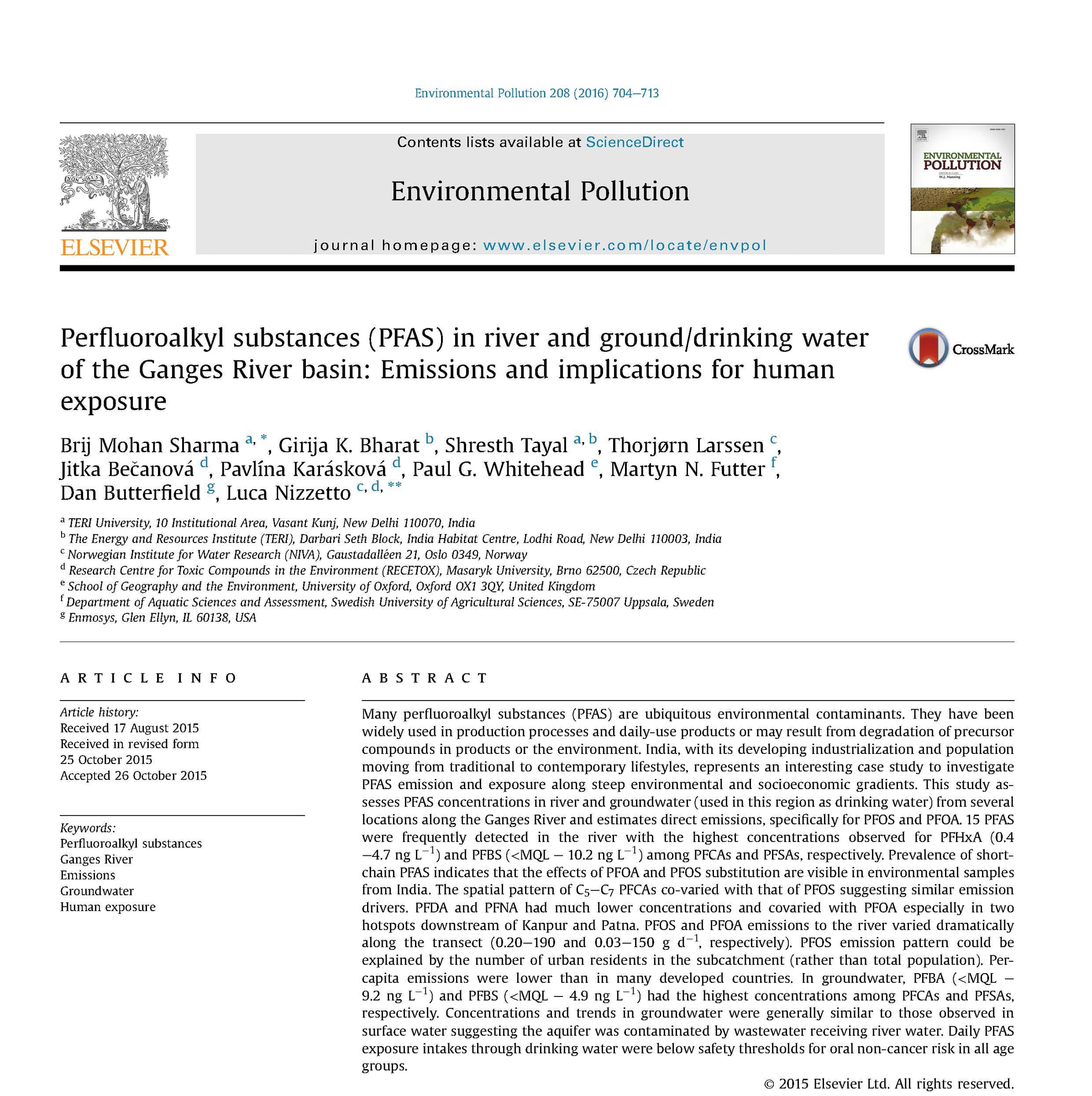
  5. A decade of trust, partnership and shared success

    BookNovember 2025

    Mu Gamma Consultants

    This book marks the first ten years of Mu Gamma Consultants. It includes messages from partners, among them the Ambassador of Norway to India, the Government of Tamil Nadu and GIZ India, and looks back at our projects and people. It was launched at our tenth anniversary event in New Delhi on 28 November 2025.
    How to cite: Mu Gamma Consultants (2025). A decade of trust, partnership and shared success. Mu Gamma Consultants.
  6. Gender dimensions of plastic and POPs pollution in India: Tracing impacts across the plastics value chain

    ReportSeptember 2025

    Sara Noémie Plassnig, Avanti Roy-Basu, Sonia Grover, Anagha Krishnan, Marianne Mosberg, Aase Jeanette Kvanneid

    This NIVA report looks at how plastic and persistent organic pollutant (POPs) pollution affects women and men differently across the plastics life cycle in India, from production to waste management. It reviews evidence on health risks and finds that India's plastic and chemical rules do not address gender. It recommends better occupational health protection, more data and wider participation in decisions.

    How to cite: Sara Noémie Plassnig, Avanti Roy-Basu, Sonia Grover, Anagha Krishnan, Marianne Mosberg, Aase Jeanette Kvanneid (2025). Gender dimensions of plastic and POPs pollution in India: Tracing impacts across the plastics value chain. Norwegian Institute for Water Research (NIVA), report 8136-2025.

  7. Annual update 2024–2025

    Annual updateJune 2025

    Mu Gamma Consultants

    Our annual update for 2024–2025 reports on projects including INOPOL, a study of decentralised wastewater systems for the Bureau of Indian Standards, and work on safe reuse of treated water in Uttar Pradesh and Uttarakhand. It lists the year's awards, events, training programmes and publications.

    How to cite: Mu Gamma Consultants (2025). Annual update 2024–2025. Mu Gamma Consultants.

  8. PFAS in drinking water in India – A review

    ReportApril 2025

    Avanti Roy-Basu, Girija Bharat, Merete Grung, Sissel Brit Ranneklev, Kriti Akansha, Manisha Jain

    This review brings together what is known about per- and polyfluoroalkyl substances (PFAS) in India's drinking water, including surface water and groundwater. It finds that data on concentrations are limited. It calls for rules that set safe limits for PFAS in drinking water, a national monitoring network and investment in water treatment, especially for vulnerable communities.

    How to cite: Avanti Roy-Basu, Girija Bharat, Merete Grung, Sissel Brit Ranneklev, Kriti Akansha, Manisha Jain (2025). PFAS in drinking water in India – A review. Norwegian Institute for Water Research (NIVA), report 8088-2025.

  9. Hazardous but Invisible: A Baseline Report on Persistent Organic Pollutants (POPs) in Tamil Nadu, India

    ReportMarch 2025

    Editors: Sissel Brit Ranneklev, Hans N. Adam, Amy-Kristine Andersen, Emmy Nøklebye, Sara Plassnig, Marianne Mosberg (NIVA); Avanti Roy-Basu, Girija K. Bharat (Mu Gamma Consultants); Piyush Mohapatra (Toxics Link); Paromita Chakraborty (SRMIST)

    This INOPOL baseline report describes the state of persistent organic pollutant (POPs) pollution in Tamil Nadu, with a focus on the Cauvery River. It covers sources, monitoring, health and environmental effects, rules and gaps in management. It is the starting point for the project's monitoring and advice to state and national agencies.

    How to cite: Editors: Sissel Brit Ranneklev, Hans N. Adam, Amy-Kristine Andersen, Emmy Nøklebye, Sara Plassnig, Marianne Mosberg (NIVA); Avanti Roy-Basu, Girija K. Bharat (Mu Gamma Consultants); Piyush Mohapatra (Toxics Link); Paromita Chakraborty (SRMIST) (2025). Hazardous but Invisible: A Baseline Report on Persistent Organic Pollutants (POPs) in Tamil Nadu, India. INOPOL (NIVA, Mu Gamma Consultants, SRMIST and Toxics Link), funded by the Royal Norwegian Embassy in New Delhi.

  10. Baseline Report on Plastic Waste Management in Tamil Nadu, India: Perspectives and Pathways

    ReportMarch 2025

    Editors: Girija K. Bharat, Nathaniel B. Dkhar (Mu Gamma Consultants); Emmy Nøklebye, Hans N. Adam, Amy-Kristine Andersen, Sara Plassnig, Marianne Mosberg (NIVA); Smita Mohanty (CIPET)

    This INOPOL baseline report gives an overview of plastic pollution and its management in Tamil Nadu, with a focus on the Cauvery River. It assesses pollution hotspots and sources, current management and its limits, and the social and economic effects. It is the starting point for the project's monitoring and advice to state and national agencies.

    How to cite: Editors: Girija K. Bharat, Nathaniel B. Dkhar (Mu Gamma Consultants); Emmy Nøklebye, Hans N. Adam, Amy-Kristine Andersen, Sara Plassnig, Marianne Mosberg (NIVA); Smita Mohanty (CIPET) (2025). Baseline Report on Plastic Waste Management in Tamil Nadu, India: Perspectives and Pathways. INOPOL (NIVA, Mu Gamma Consultants, SRMIST, Toxics Link and CIPET), funded by the Royal Norwegian Embassy in New Delhi.

  11. Climate Resilience in Water Resource Management in India: A Conceptual Framework for Action

    Discussion paperSeptember 2024

    Neha Lakhwan, Girija K Bharat (Mu Gamma Consultants); S K Sarkar (TERI)

    This discussion paper sets out how climate change affects India's water resources, through higher temperatures, erratic monsoons, glacial melt and sea level rise. It reviews Indian policies and case studies from India and abroad. It recommends a mix of adaptation and mitigation measures, including integrated water resources management, nature-based solutions and demand management.

    How to cite: Neha Lakhwan, Girija K Bharat (Mu Gamma Consultants); S K Sarkar (TERI) (2024). Climate Resilience in Water Resource Management in India: A Conceptual Framework for Action. The Energy and Resources Institute (TERI).

  12. Annual update February 2024

    Annual updateFebruary 2024

    Mu Gamma Consultants

    Our February 2024 annual update reports on the start of the second phase of INOPOL, the hand hygiene roadmap for Odisha with UNICEF, and our work on safe reuse of treated water. It lists awards received in 2023, events, meetings and publications, including two books co-edited by Dr Girija Bharat.

    How to cite: Mu Gamma Consultants (2024). Annual update February 2024. Mu Gamma Consultants.

  13. Gender Responsive Actions and Recommendations for Tackling Marine Plastic and POPs Pollution in India

    Policy briefFebruary 2023

    INOPOL (India-Norway cooperation project on capacity building for reducing plastic and chemical pollution in India)

    This INOPOL brief explains how marine plastic and persistent organic pollutant (POPs) pollution affects women in India. It draws on the project's work in plastic waste management, where many women work in the informal sector, and on chemical pollution, where women face serious health risks. It sets out actions and recommendations to address these gaps.

    How to cite: Mu Gamma Consultants (2023). Gender Responsive Actions and Recommendations for Tackling Marine Plastic and POPs Pollution in India. INOPOL (India-Norway cooperation project on capacity building for reducing plastic and chemical pollution in India).

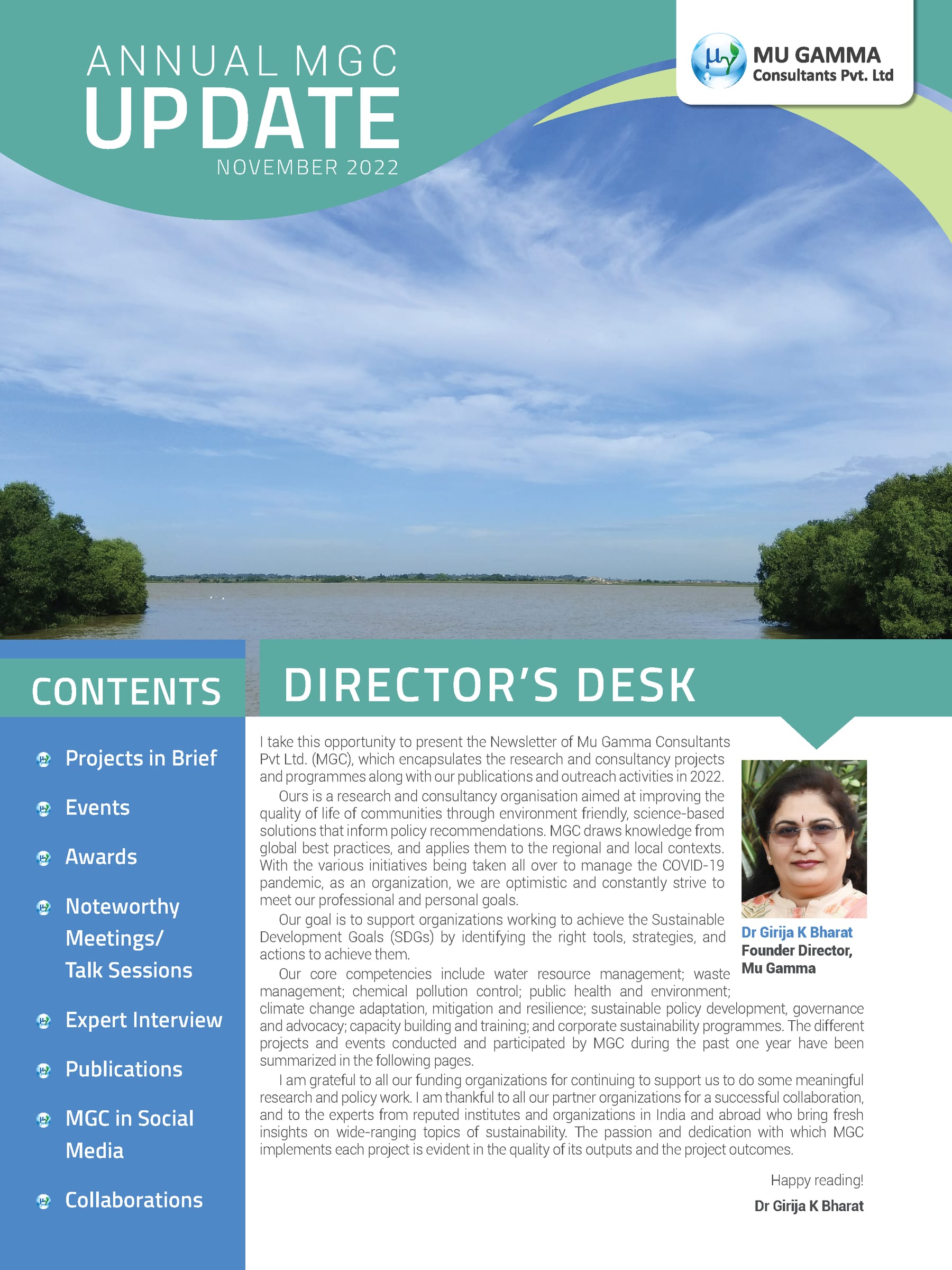
  14. Annual update November 2022

    Annual updateNovember 2022

    Mu Gamma Consultants

    Our November 2022 annual update covers the research and consultancy projects, publications and outreach of the year. It reports on the close of the first phase of INOPOL, work on safe reuse of treated water with GIZ, and case studies for the Urban-LEDS II project. It also includes an interview with Hans Nicolai Adam of the Norwegian Institute for Water Research (NIVA).

    How to cite: Mu Gamma Consultants (2022). Annual update November 2022. Mu Gamma Consultants.

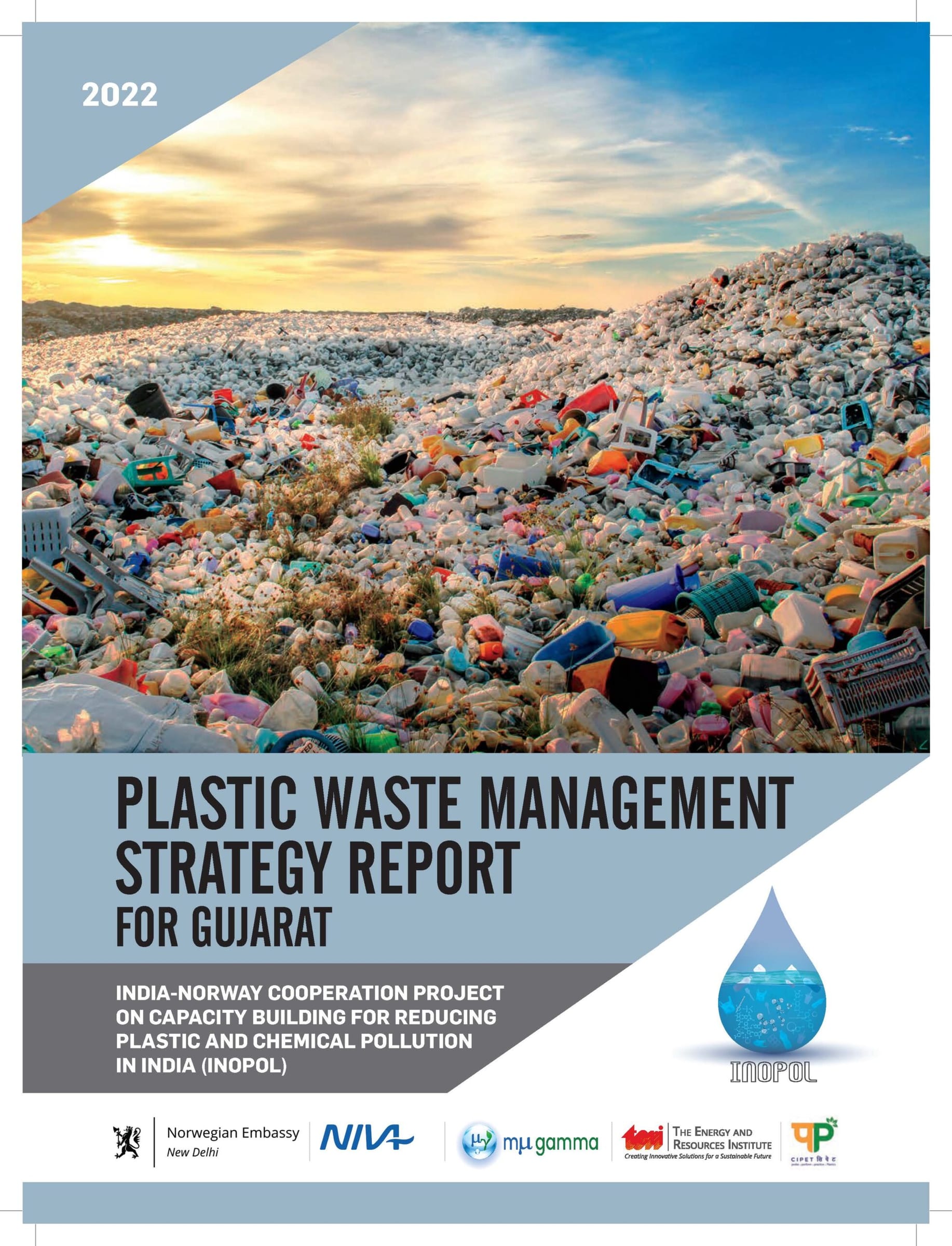
  15. Plastic Waste Management Strategy Report for Gujarat

    ReportOctober 2022

    INOPOL (NIVA, Mu Gamma Consultants, TERI and CIPET), funded by the Royal Norwegian Embassy in New Delhi

    This INOPOL report sets out a strategy for managing plastic waste in Gujarat, focusing on the Tapi and Daman Ganga rivers and the cities of Surat and Vapi. It draws on the project's baseline research and on consultations held in Ahmedabad in February 2022. It was released at the INOPOL final dissemination event in New Delhi on 17 October 2022.

    How to cite: Mu Gamma Consultants (2022). Plastic Waste Management Strategy Report for Gujarat. INOPOL (NIVA, Mu Gamma Consultants, TERI and CIPET), funded by the Royal Norwegian Embassy in New Delhi.

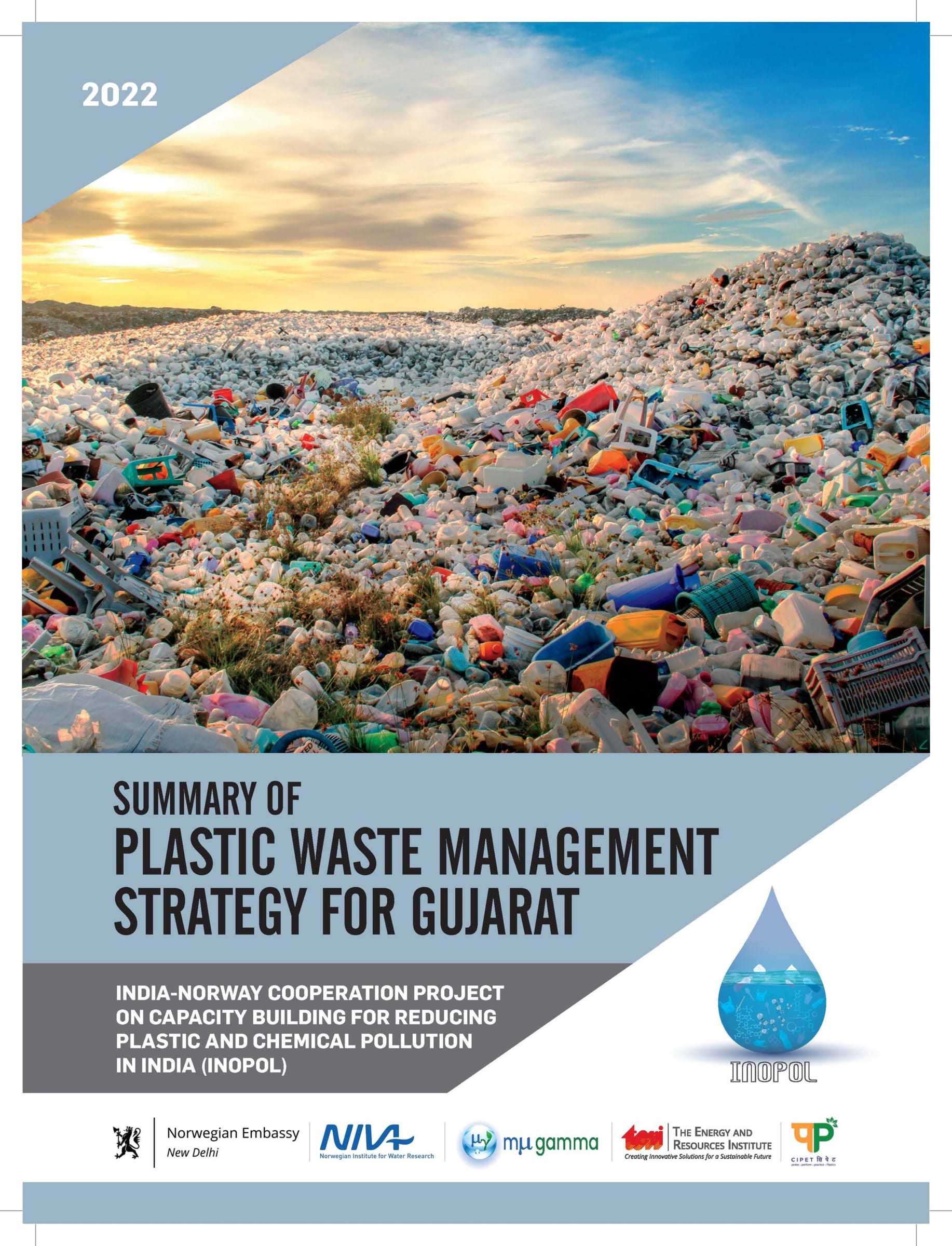
  16. Summary of Plastic Waste Management Strategy for Gujarat

    ReportOctober 2022

    INOPOL (NIVA, Mu Gamma Consultants, TERI and CIPET)

    This 12-page summary of the INOPOL Plastic Waste Management Strategy Report for Gujarat gives the main findings, recommendations and next steps from the full report.

    How to cite: Mu Gamma Consultants (2022). Summary of Plastic Waste Management Strategy for Gujarat. INOPOL (NIVA, Mu Gamma Consultants, TERI and CIPET).

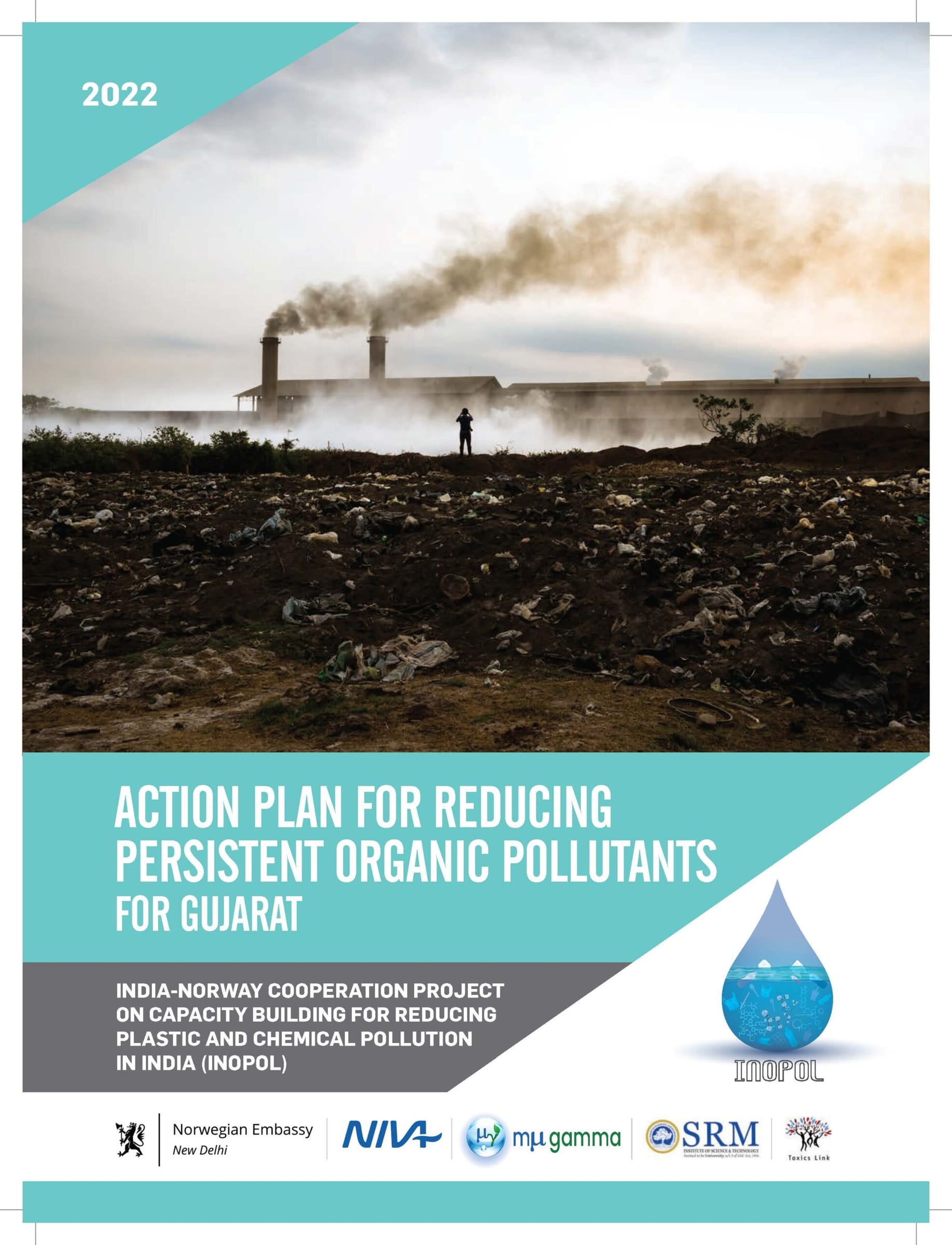
  17. Action Plan for Reducing Persistent Organic Pollutants (POPs) in Gujarat

    ReportOctober 2022

    INOPOL (NIVA, Mu Gamma Consultants, SRMIST, Toxics Link, TERI and CIPET), funded by the Royal Norwegian Embassy in New Delhi

    This INOPOL action plan sets out steps to reduce persistent organic pollutants (POPs) in Gujarat. It draws on the project's baseline research and on consultations held in Ahmedabad in February 2022. It was released at the INOPOL final dissemination event in New Delhi on 17 October 2022.

    How to cite: Mu Gamma Consultants (2022). Action Plan for Reducing Persistent Organic Pollutants (POPs) in Gujarat. INOPOL (NIVA, Mu Gamma Consultants, SRMIST, Toxics Link, TERI and CIPET), funded by the Royal Norwegian Embassy in New Delhi.

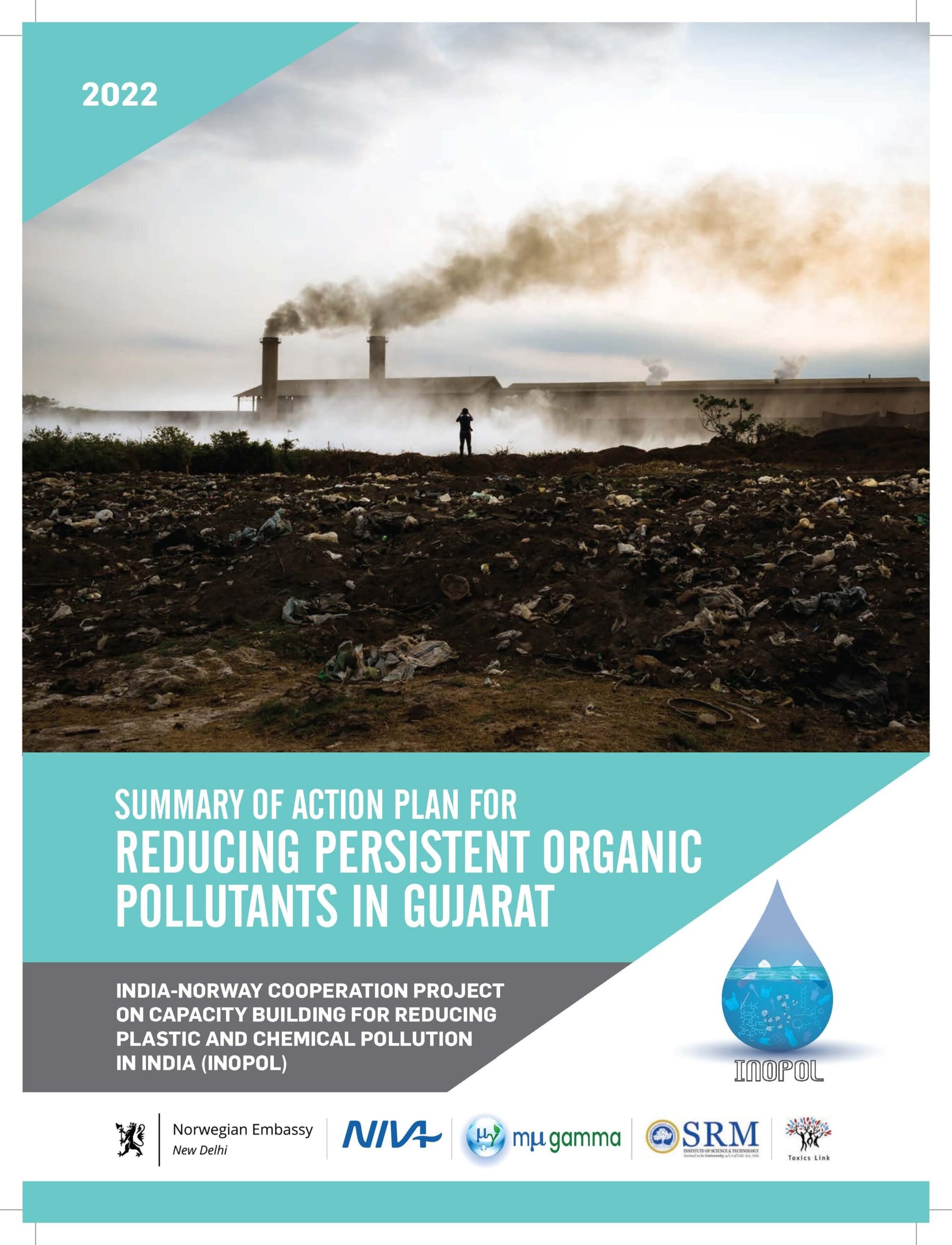
  18. Summary of Action Plan for Reducing Persistent Organic Pollutants in Gujarat

    ReportOctober 2022

    INOPOL (NIVA, Mu Gamma Consultants, SRMIST and Toxics Link)

    This 12-page summary of the INOPOL Action Plan for Reducing Persistent Organic Pollutants (POPs) in Gujarat gives the main findings and proposed actions from the full plan.

    How to cite: Mu Gamma Consultants (2022). Summary of Action Plan for Reducing Persistent Organic Pollutants in Gujarat. INOPOL (NIVA, Mu Gamma Consultants, SRMIST and Toxics Link).

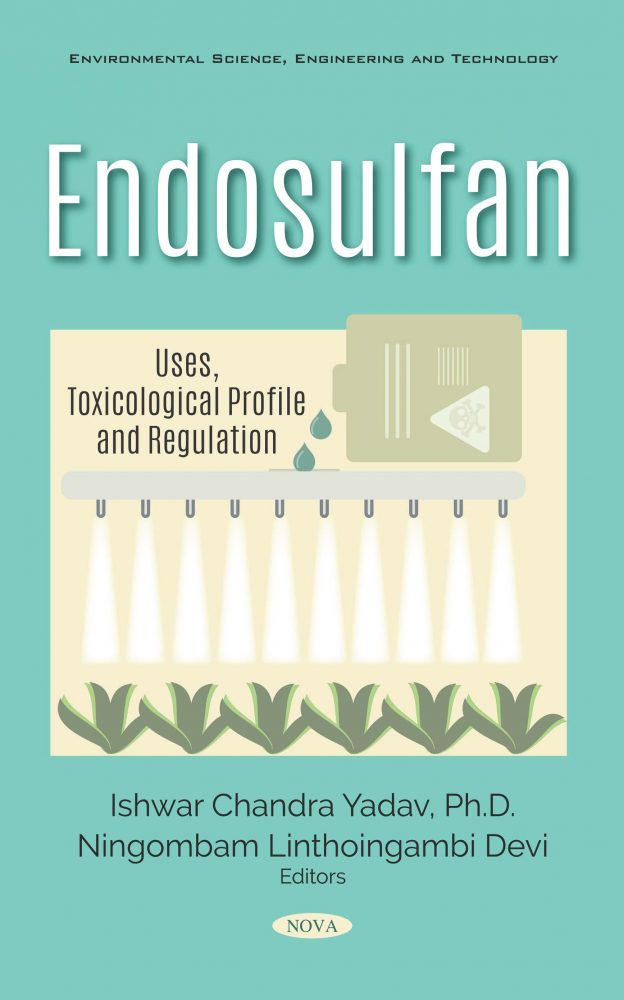
  19. Endosulphan: Practices, Policies and Eco-Toxicological Impacts in India

    BookMay 2022

    Nova Science Publishers (chapter in Endosulfan: Uses, Toxicological Profile and Regulation)

    This book chapter covers the use of the pesticide endosulfan in India, the policies that govern it and its ecological effects. It appears in the book Endosulfan: Uses, Toxicological Profile and Regulation, edited by Ishwar Chandra Yadav and Ningombam Linthoingambi Devi.

    How to cite: Mu Gamma Consultants (2022). Endosulphan: Practices, Policies and Eco-Toxicological Impacts in India. Nova Science Publishers (chapter in Endosulfan: Uses, Toxicological Profile and Regulation).

  20. Swachh Bharat Mission (Urban) Towards Cleaning India: A Policy Perspective

    Policy briefMay 2022

    Girija K Bharat, S K Sarkar

    This policy brief compares India's water and sanitation status with other countries and gives an overview of the urban sector. It looks at the role of corporate social responsibility funding in WASH. It analyses gaps in urban sanitation and water supply policies and programmes.

    How to cite: Girija K Bharat, S K Sarkar (2022). Swachh Bharat Mission (Urban) Towards Cleaning India: A Policy Perspective. The Energy and Resources Institute (TERI), with USAID.

  21. State of Urban Water and Sanitation in India

    ReportMay 2022

    TERI, TERI University, USAID and Coca-Cola

    This report assesses gaps in urban water, sanitation and hygiene in India, based on interviews with key officials and experts in Kolkata, Chennai and Delhi. It was prepared under a USAID-supported study with TERI, and Mu Gamma experts were the lead authors.

    How to cite: Mu Gamma Consultants (2022). State of Urban Water and Sanitation in India. TERI, TERI University, USAID and Coca-Cola.

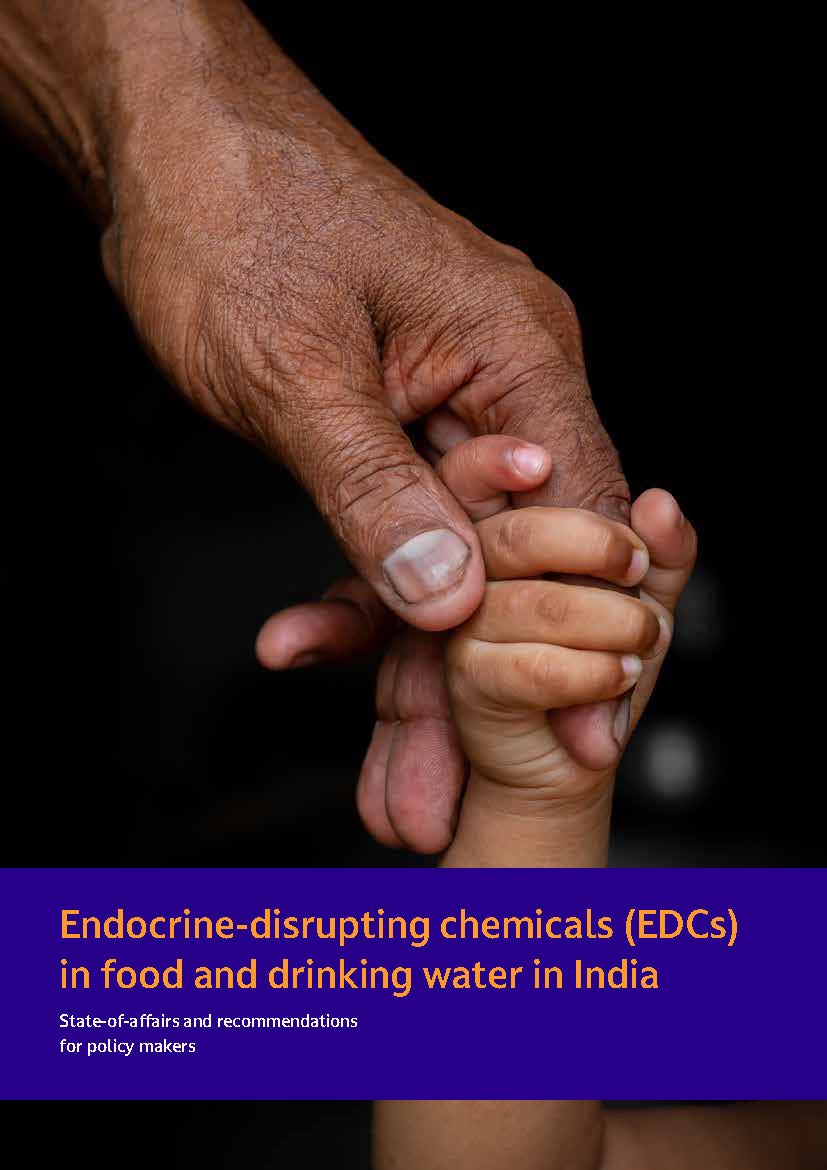
  22. Endocrine-disrupting chemicals (EDCs) in food and drinking water in India: State-of-affairs and recommendations for policy makers

    Policy briefMarch 2022

    Avanti Roy-Basu, Girija K Bharat, Paromita Chakraborty, Brij Mohan Sharma, Eirik H Steindal, Luca Nizzetto

    This report presents the findings of the EDIFY project on endocrine-disrupting chemicals (EDCs) in the Indian diet, measured in food and drinking water from Delhi and Dehradun. It explains why EDCs matter for health and what the research found. It ends with ten points for policy makers to consider.

    How to cite: Avanti Roy-Basu, Girija K Bharat, Paromita Chakraborty, Brij Mohan Sharma, Eirik H Steindal, Luca Nizzetto (2022). Endocrine-disrupting chemicals (EDCs) in food and drinking water in India: State-of-affairs and recommendations for policy makers. Norwegian Institute for Water Research (NIVA), EDIFY project, funded by the Research Council of Norway.

  23. Important but ignored? The role of the informal recycling sector in a prospective international agreement on plastic pollution

    Policy briefMarch 2022

    Hans Nicolai Adam, Louis Pille-Schneider, Caroline Enge, Emmy Nøklebye, Girija K. Bharat, Mary Abraham, Nathaniel Dkhar

    This policy brief argues that informal recycling workers should be recognised in the design and implementation of a future international agreement on plastic pollution. In developing economies, the sector contributes significantly to plastic recovery where municipal waste systems are strained. The brief followed a webinar co-organised by the INOPOL and ASAP projects on 2 December 2021, ahead of the UN Environment Assembly (UNEA-5.2).

    How to cite: Hans Nicolai Adam, Louis Pille-Schneider, Caroline Enge, Emmy Nøklebye, Girija K. Bharat, Mary Abraham, Nathaniel Dkhar (2022). Important but ignored? The role of the informal recycling sector in a prospective international agreement on plastic pollution. International Knowledge Hub Against Plastic Pollution (IKHAPP) Policy Brief Series.

  24. Snow albedo and its sensitivity to changes in deposited light-absorbing particles estimated from ambient temperature and snow depth observations at a high-altitude site in the Himalaya

    Journal paperJanuary 2022

    Johan Ström, Jonas Svensson, Henri Honkanen, Eija Asmi, Nathaniel B. Dkhar, Shresth Tayal, Ved P. Sharma, Rakesh Hooda, Outi Meinander, Matti Leppäranta, Hans-Werner Jacobi, Heikki Lihavainen, Antti Hyvärinen

    This paper presents a simple way to estimate how light-absorbing particles, such as black carbon and dust, change the reflectivity of snow. It tests the method with data from two winters (2016–2017) at a high-altitude valley site in the Central Himalaya. Doubling the particles in snowfall raised the energy absorbed by less than 20 per cent, so the effect on snowmelt timing was small.

    How to cite: Johan Ström, Jonas Svensson, Henri Honkanen, Eija Asmi, Nathaniel B. Dkhar, Shresth Tayal, Ved P. Sharma, Rakesh Hooda, Outi Meinander, Matti Leppäranta, Hans-Werner Jacobi, Heikki Lihavainen, Antti Hyvärinen (2022). Snow albedo and its sensitivity to changes in deposited light-absorbing particles estimated from ambient temperature and snow depth observations at a high-altitude site in the Himalaya. Elementa: Science of the Anthropocene 10(1): 00118.

  25. Annual update November 2021

    Annual updateNovember 2021

    Mu Gamma Consultants

    Our November 2021 annual update covers the research and consultancy projects, publications and outreach of the year. It reports on wastewater monitoring for COVID-19 in Chennai, supported by the Swiss Agency for Development and Cooperation, and on the INOPOL, EDIFY and ASAP projects. It also lists awards, events and new partnerships, including with Rowan University in the USA.

    How to cite: Mu Gamma Consultants (2021). Annual update November 2021. Mu Gamma Consultants.

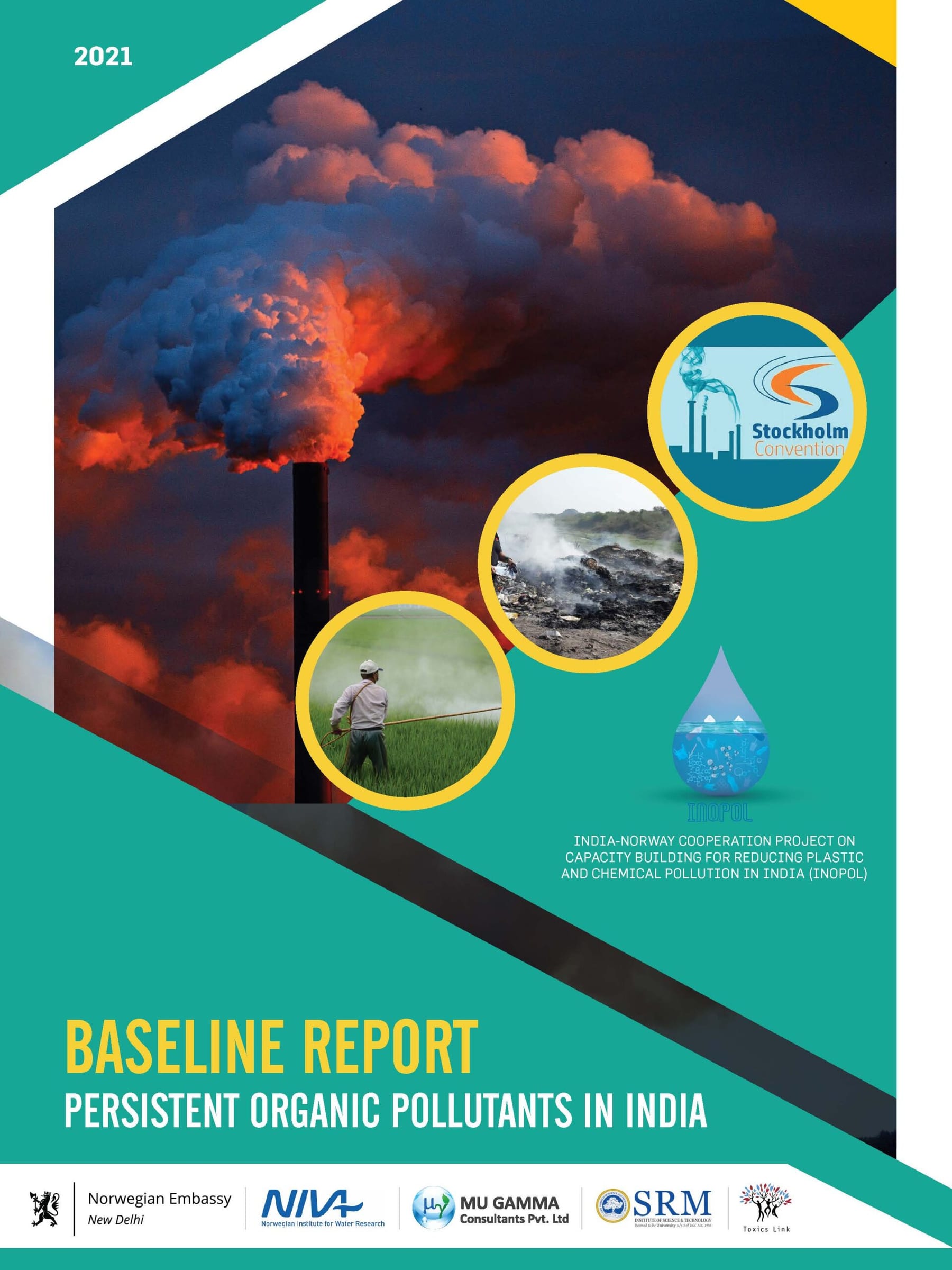
  26. Baseline Report on Persistent Organic Pollutants in India

    ReportAugust 2021

    INOPOL (NIVA, Mu Gamma Consultants, SRMIST and Toxics Link), funded by the Royal Norwegian Embassy in New Delhi

    This INOPOL baseline report reviews persistent organic pollutants (POPs) in India, with a focus on the Tapi and Daman Ganga rivers near Surat and Vapi in Gujarat. It covers rules and policy, pollution levels, monitoring, health and environmental effects (including the seven new POPs), good practice and gaps. It was launched at the INOPOL training programmes in August 2021.

    How to cite: Mu Gamma Consultants (2021). Baseline Report on Persistent Organic Pollutants in India. INOPOL (NIVA, Mu Gamma Consultants, SRMIST and Toxics Link), funded by the Royal Norwegian Embassy in New Delhi.

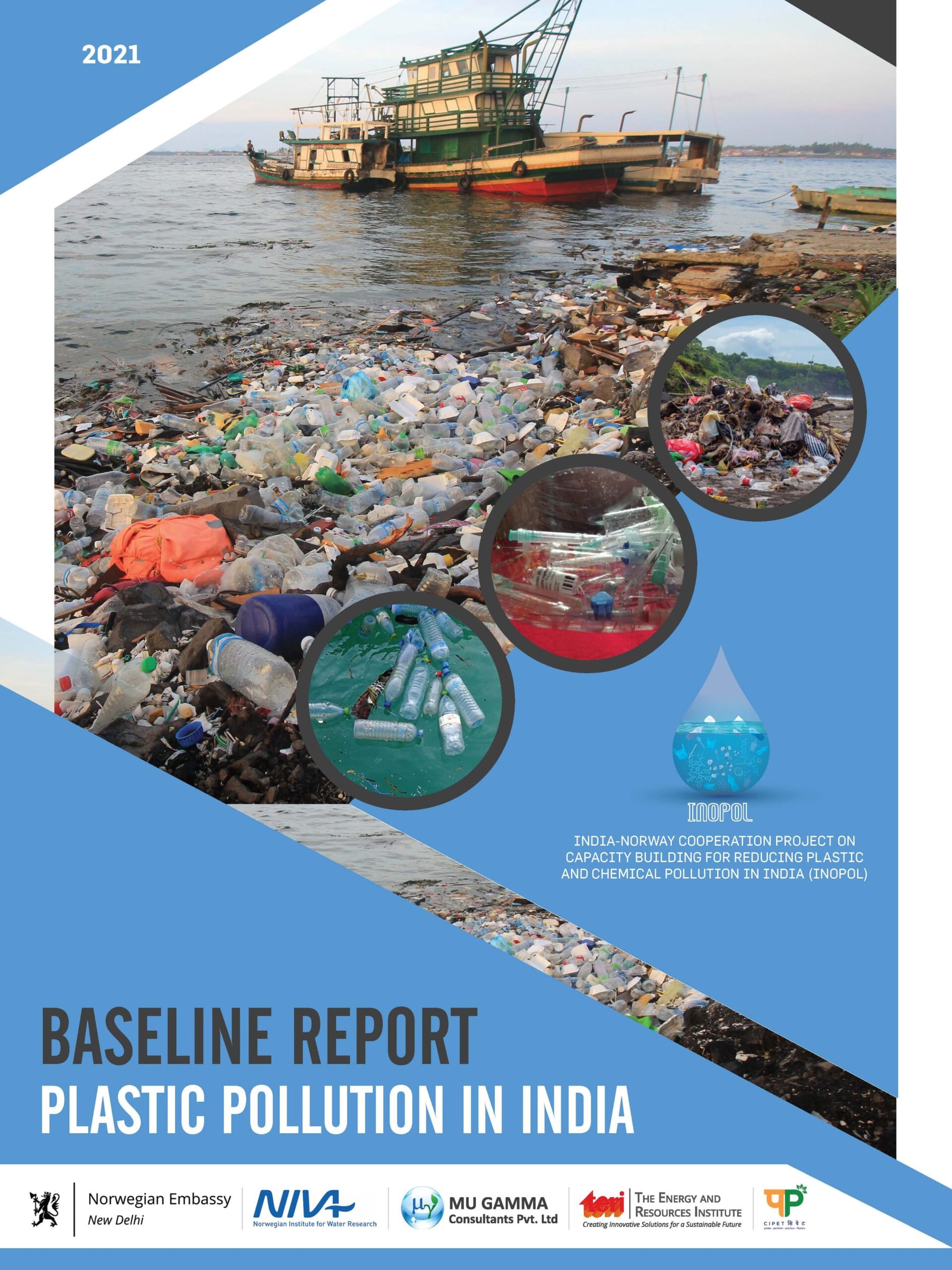
  27. Baseline Report on Plastic Pollution in India

    ReportAugust 2021

    Girija K Bharat, Hans Nicolai Adam, Emmy Nøklebye, Eirik Hovland Steindal, Rachel Hurley, Suneel Pandey, Smita Mohanty, Avanti Roy-Basu, and others

    This INOPOL baseline report reviews plastic pollution in India, with a focus on the Tapi and Daman Ganga rivers near Surat and Vapi in Gujarat. It covers rules and policy, pollution levels, monitoring, health and environmental effects, good practice and gaps. It was launched at the INOPOL training programmes in August 2021.

    How to cite: Girija K Bharat, Hans Nicolai Adam, Emmy Nøklebye, Eirik Hovland Steindal, Rachel Hurley, Suneel Pandey, Smita Mohanty, Avanti Roy-Basu, and others (2021). Baseline Report on Plastic Pollution in India. INOPOL (NIVA, Mu Gamma Consultants, TERI and CIPET), funded by the Royal Norwegian Embassy in New Delhi.

  28. A comprehensive assessment of endocrine-disrupting chemicals in an Indian food basket: Levels, dietary intakes, and comparison with European data

    Journal paperJuly 2021

    Brij Mohan Sharma, Girija K. Bharat, Paromita Chakraborty, Jakub Martiník, Ondřej Audy, Petr Kukučka, Petra Přibylová, Praveen Kumar Kukreti, Anežka Sharma, Jiří Kalina, Eirik Hovland Steindal, Luca Nizzetto

    This study measured organochlorine pesticides, PCBs, PBDEs, dioxins and furans in food from urban Delhi and rural Dehradun. All the targeted contaminants were found in most food items, especially dairy and meat. Food in Delhi's markets was more contaminated than in Dehradun, and Indian dietary exposure to some of these chemicals was comparable to European levels.

    How to cite: Brij Mohan Sharma, Girija K. Bharat, Paromita Chakraborty, Jakub Martiník, Ondřej Audy, Petr Kukučka, Petra Přibylová, Praveen Kumar Kukreti, Anežka Sharma, Jiří Kalina, Eirik Hovland Steindal, Luca Nizzetto (2021). A comprehensive assessment of endocrine-disrupting chemicals in an Indian food basket: Levels, dietary intakes, and comparison with European data. Environmental Pollution 288 (2021) 117750.

  29. Monitoring of Community Wastewater for Early Signaling the Spread of COVID-19 in Chennai City

    Policy briefDecember 2020

    Paromita Chakraborty (SRMIST), Girija K Bharat (Mu Gamma Consultants), Mary Abraham (TERI), Avanti Roy-Basu (Mu Gamma Consultants); advisor S K Sarkar (TERI)

    This policy bulletin reports on wastewater surveillance for SARS-CoV-2 in Chennai, carried out in 2020 by SRM Institute of Science and Technology, Mu Gamma and TERI. The estimated number of infected people was comparable with reported active cases. The study showed wastewater monitoring can be an early, low-cost signal of COVID-19 hotspots in a community.

    How to cite: Paromita Chakraborty (SRMIST), Girija K Bharat (Mu Gamma Consultants), Mary Abraham (TERI), Avanti Roy-Basu (Mu Gamma Consultants); advisor S K Sarkar (TERI) (2020). Monitoring of Community Wastewater for Early Signaling the Spread of COVID-19 in Chennai City. Policy Bulletin, Issue 1, supported by the Swiss Agency for Development and Cooperation.

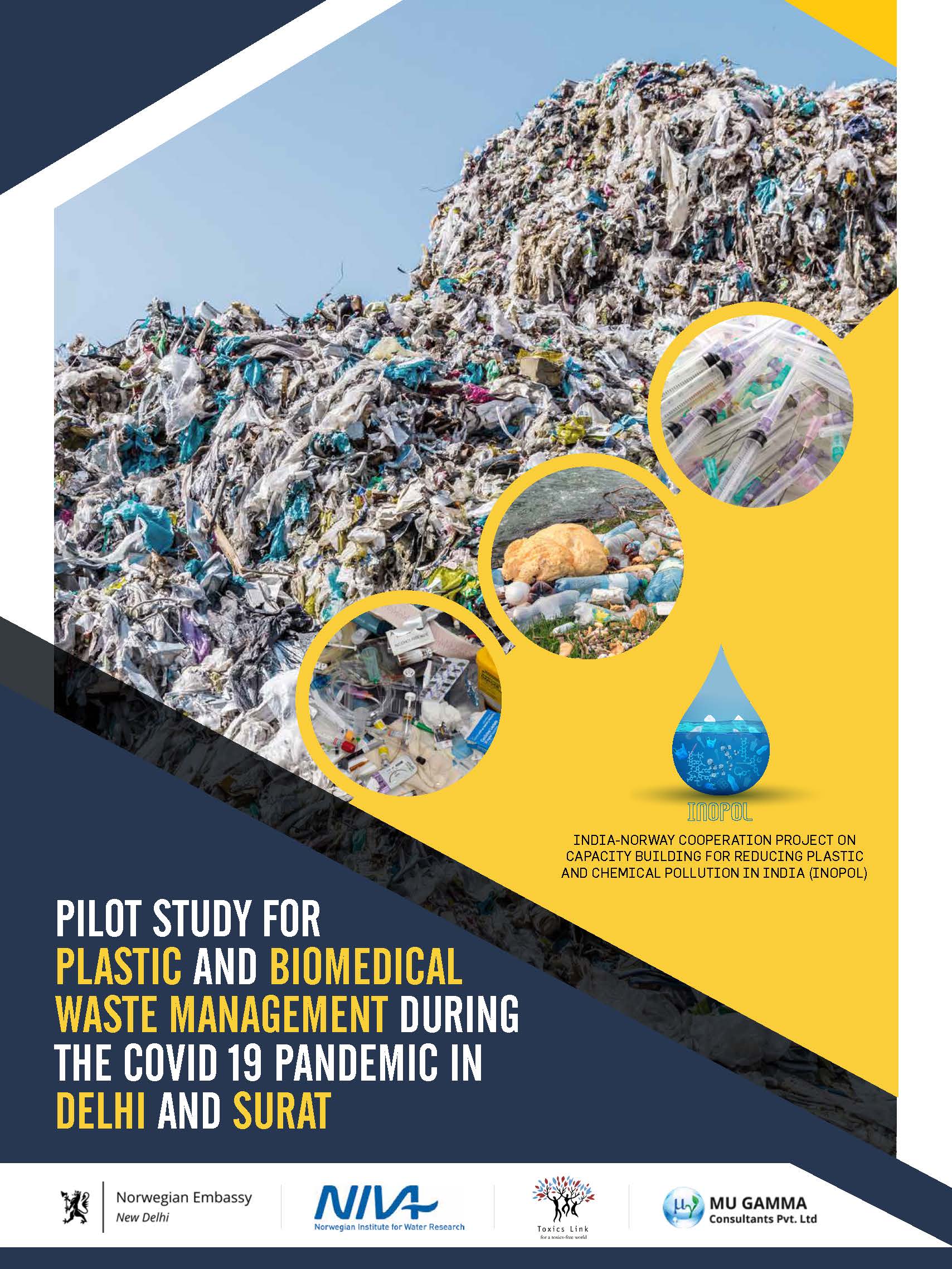
  30. Pilot Study for Plastic and Biomedical Waste Management during the COVID-19 Pandemic in Delhi and Surat

    ReportDecember 2020

    Satish Sinha (Toxics Link), Girija K Bharat (Mu Gamma Consultants), Hans Nicolai Adam (NIVA), and others

    This INOPOL pilot study looks at how COVID-19 affected plastic and biomedical waste in Delhi and Surat during the strict lockdowns of March to July 2020. It covers waste generation and handling and the effects on informal waste workers. It proposes measures to support the sector.

    How to cite: Satish Sinha (Toxics Link), Girija K Bharat (Mu Gamma Consultants), Hans Nicolai Adam (NIVA), and others (2020). Pilot Study for Plastic and Biomedical Waste Management during the COVID-19 Pandemic in Delhi and Surat. INOPOL (NIVA, Mu Gamma Consultants and Toxics Link), funded by the Royal Norwegian Embassy in New Delhi.

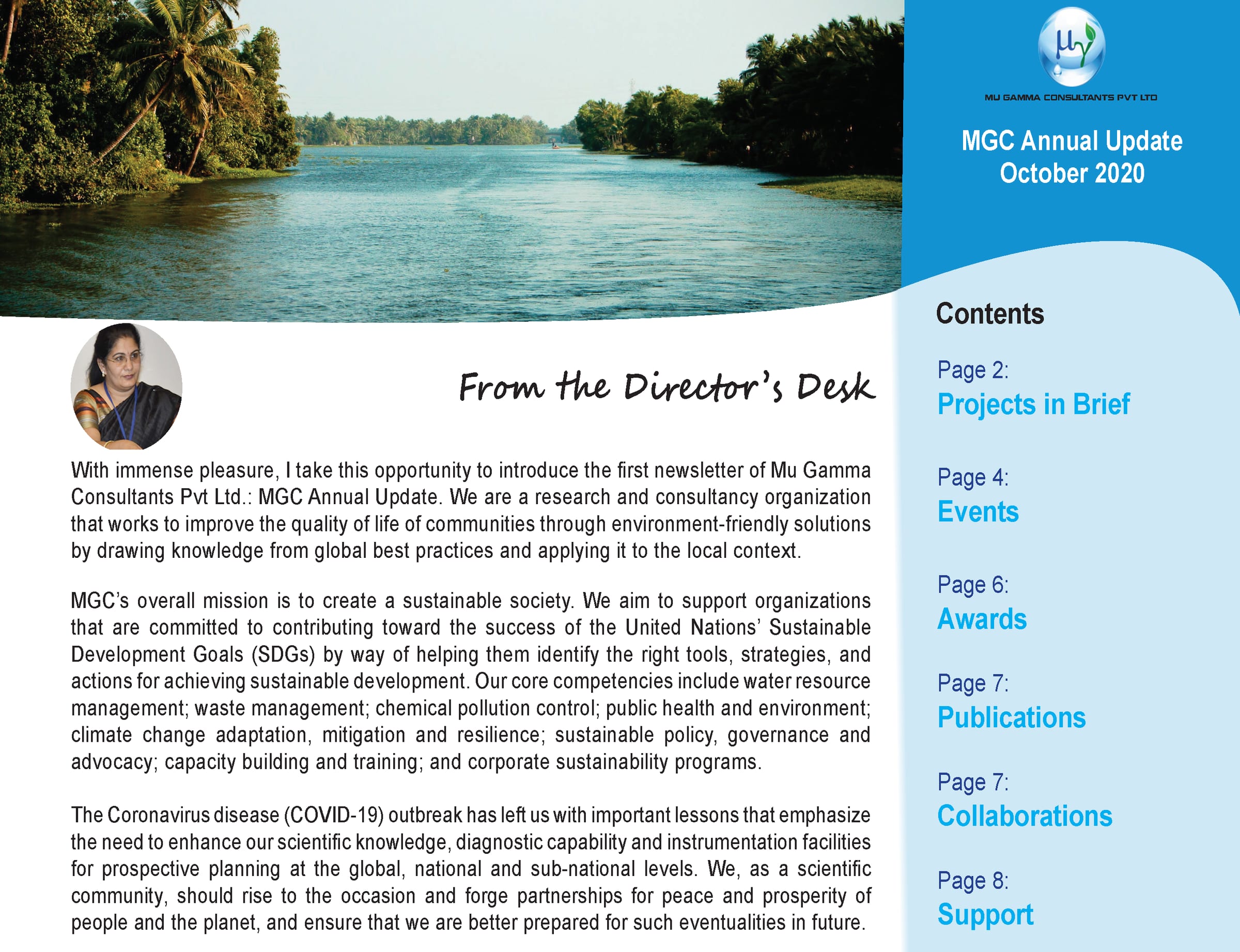
  31. Annual update October 2020

    Annual updateOctober 2020

    Mu Gamma Consultants

    Our first annual update covers projects and events from 2019 and 2020. It reports on wastewater monitoring for COVID-19 in Chennai, the Leh city sanitation roadmap, the launch of INOPOL, and Dr Girija Bharat's role as national policy expert on reuse of treated wastewater. It also lists awards, publications and collaborations.

    How to cite: Mu Gamma Consultants (2020). Annual update October 2020. Mu Gamma Consultants.

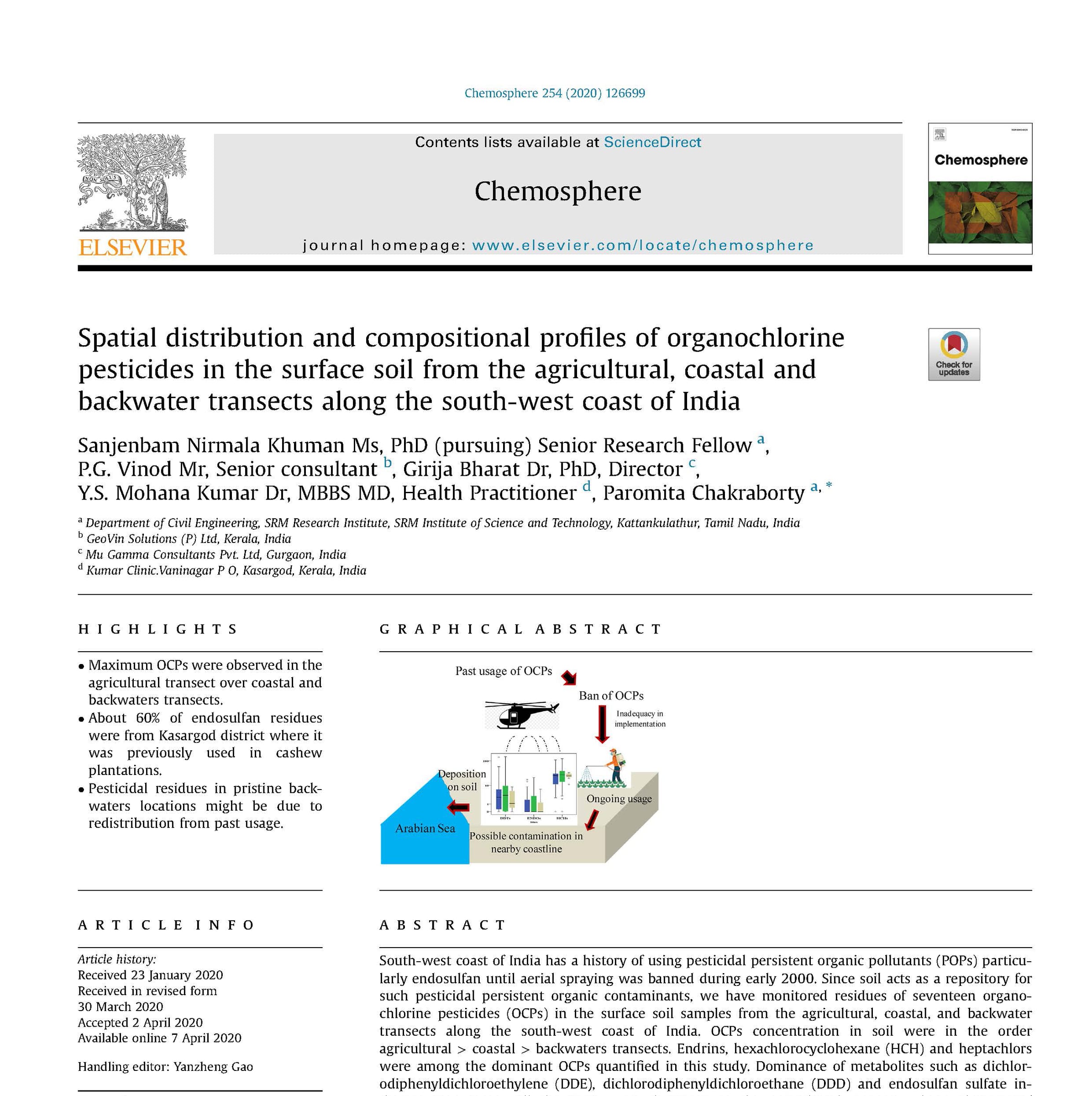
  32. Spatial distribution and compositional profiles of organochlorine pesticides in the surface soil from the agricultural, coastal and backwater transects along the south-west coast of India

    Journal paperApril 2020

    Sanjenbam Nirmala Khuman, P.G. Vinod, Girija Bharat, Y.S. Mohana Kumar, Paromita Chakraborty

    This study measured 17 organochlorine pesticides in surface soil along agricultural, coastal and backwater transects on India's south-west coast. Levels were highest in agricultural soil. About 60 per cent of endosulfan residues came from Kasaragod district, where it was once sprayed on cashew plantations.

    How to cite: Sanjenbam Nirmala Khuman, P.G. Vinod, Girija Bharat, Y.S. Mohana Kumar, Paromita Chakraborty (2020). Spatial distribution and compositional profiles of organochlorine pesticides in the surface soil from the agricultural, coastal and backwater transects along the south-west coast of India. Chemosphere 254 (2020) 126699.

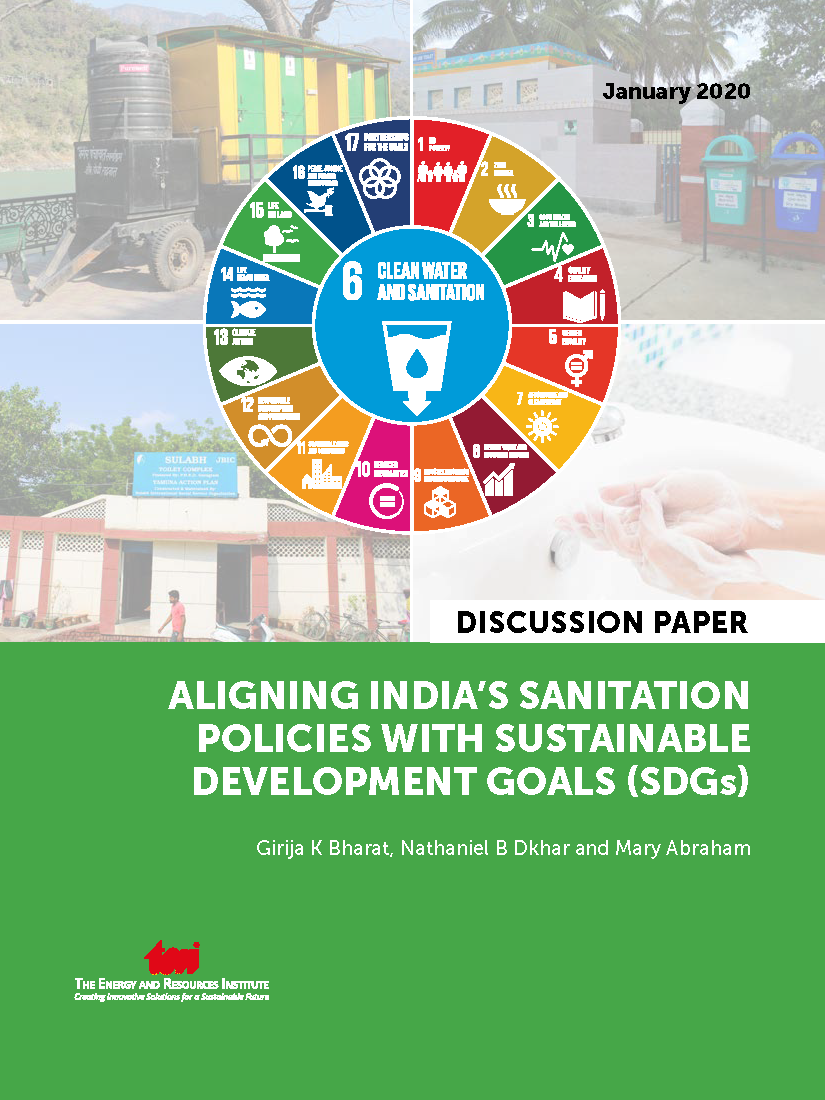
  33. Aligning India's Sanitation Policies with Sustainable Development Goals (SDGs)

    Discussion paperJanuary 2020

    Girija K Bharat, Nathaniel B Dkhar, Mary Abraham

    This discussion paper reviews India's rural and urban sanitation policies against Sustainable Development Goal 6. It sets out the issues and challenges in each sector and the links between SDG 6 and other goals. It makes separate recommendations for rural and urban sanitation.

    How to cite: Girija K Bharat, Nathaniel B Dkhar, Mary Abraham (2020). Aligning India's Sanitation Policies with Sustainable Development Goals (SDGs). The Energy and Resources Institute (TERI).

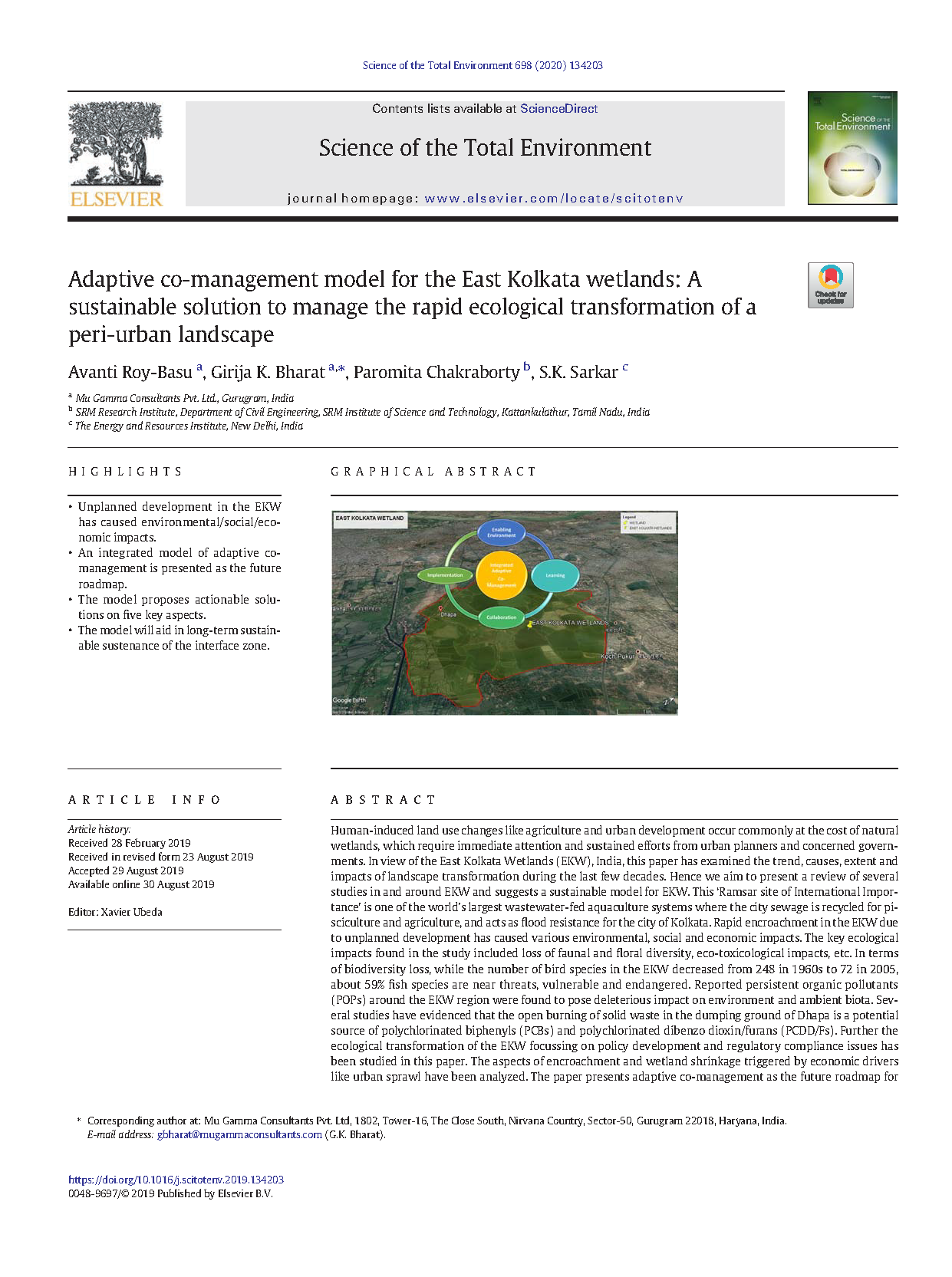
  34. Adaptive co-management model for the East Kolkata wetlands: A sustainable solution to manage the rapid ecological transformation of a peri-urban landscape

    Journal paperAugust 2019

    Avanti Roy-Basu, Girija K. Bharat, Paromita Chakraborty, S.K. Sarkar

    This paper reviews how unplanned development has changed the East Kolkata Wetlands, a Ramsar site where city sewage is used for fish farming and agriculture. It records losses such as a fall in bird species from 248 in 1960 to 72 in 2005. It proposes an adaptive co-management model as a roadmap for the wetlands.

    How to cite: Avanti Roy-Basu, Girija K. Bharat, Paromita Chakraborty, S.K. Sarkar (2019). Adaptive co-management model for the East Kolkata wetlands: A sustainable solution to manage the rapid ecological transformation of a peri-urban landscape. Science of the Total Environment 698 (2020) 134203.

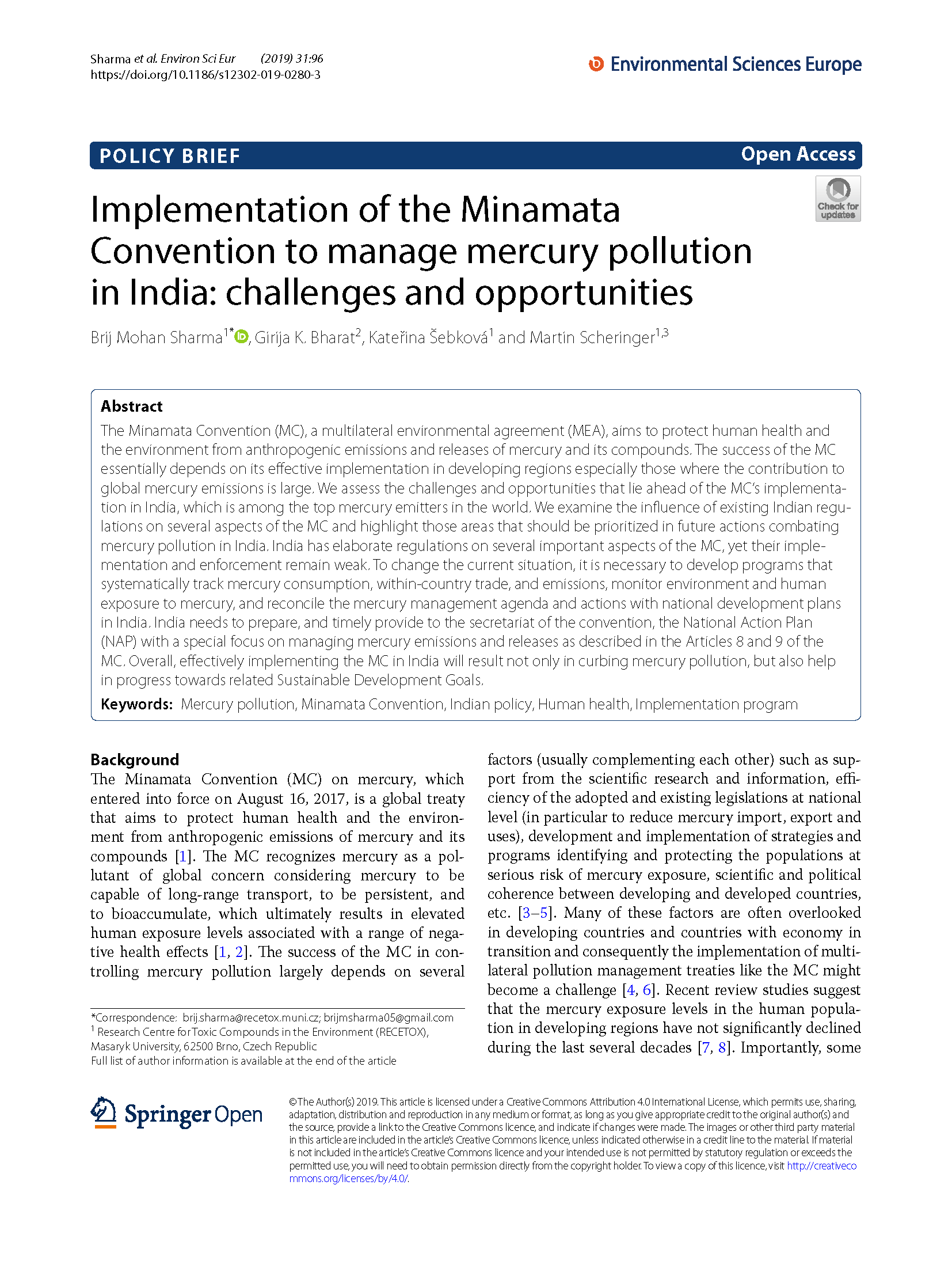
  35. Implementation of the Minamata Convention to manage mercury pollution in India: challenges and opportunities

    Journal paperJanuary 2019

    Brij Mohan Sharma, Girija K. Bharat, Kateřina Šebková, Martin Scheringer

    This policy brief assesses how India can implement the Minamata Convention on mercury. It finds that India has detailed rules on many aspects of the convention but that implementation and enforcement are weak. It calls for programmes to track mercury use, trade and emissions, to monitor exposure, and for a National Action Plan.

    How to cite: Brij Mohan Sharma, Girija K. Bharat, Kateřina Šebková, Martin Scheringer (2019). Implementation of the Minamata Convention to manage mercury pollution in India: challenges and opportunities. Environmental Sciences Europe (2019) 31:96.

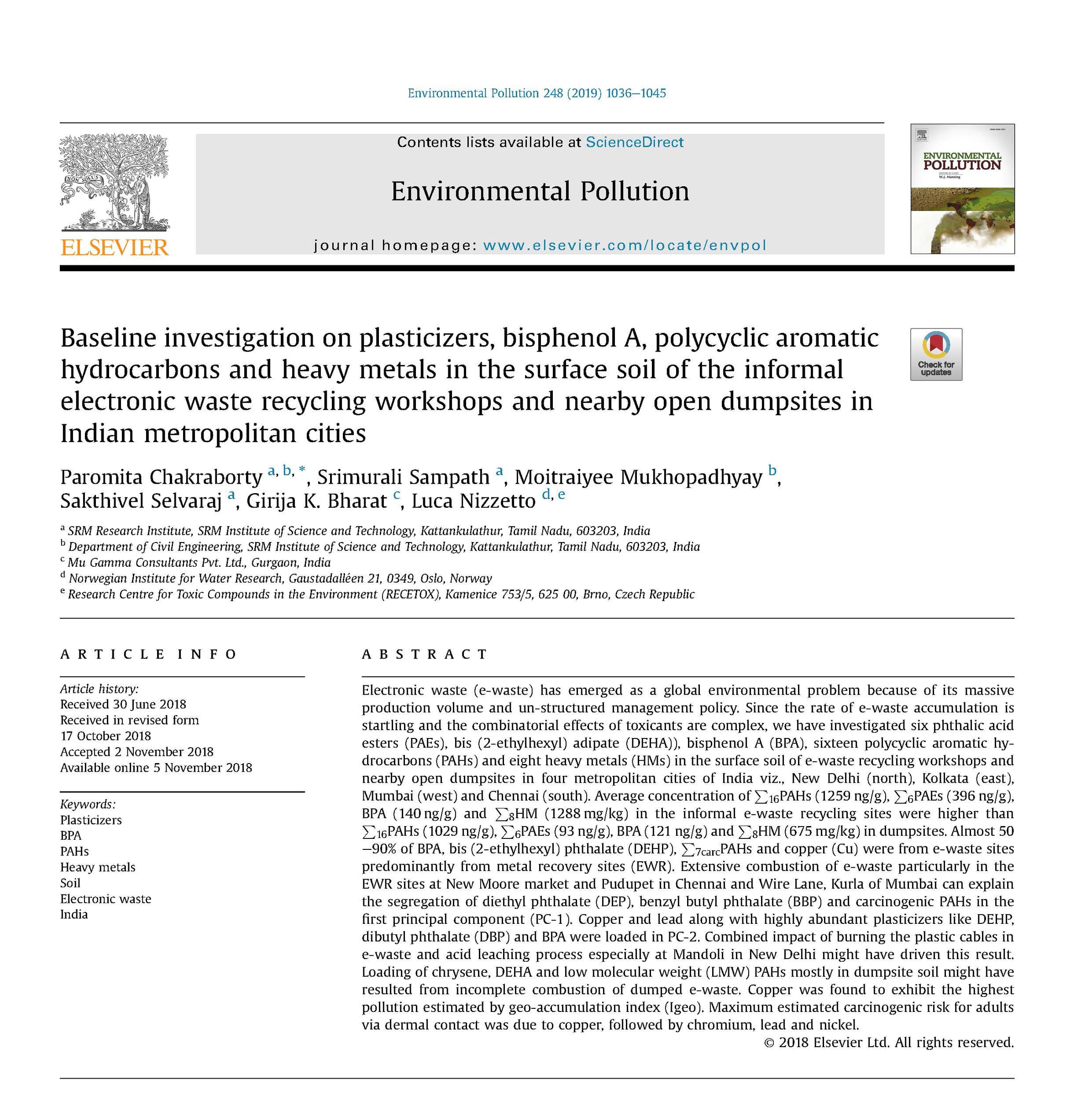
  36. Baseline investigation on plasticizers, bisphenol A, polycyclic aromatic hydrocarbons and heavy metals in the surface soil of the informal electronic waste recycling workshops and nearby open dumpsites in Indian metropolitan cities

    Journal paperNovember 2018

    Paromita Chakraborty, Srimurali Sampath, Moitraiyee Mukhopadhyay, Sakthivel Selvaraj, Girija K. Bharat, Luca Nizzetto

    This study measured plasticizers, bisphenol A, PAHs and heavy metals in soil at informal e-waste recycling workshops and nearby dumpsites in Delhi, Kolkata, Mumbai and Chennai. Levels were higher at the recycling sites than at the dumpsites. Copper showed the highest pollution, and burning of e-waste was a likely source.

    How to cite: Paromita Chakraborty, Srimurali Sampath, Moitraiyee Mukhopadhyay, Sakthivel Selvaraj, Girija K. Bharat, Luca Nizzetto (2018). Baseline investigation on plasticizers, bisphenol A, polycyclic aromatic hydrocarbons and heavy metals in the surface soil of the informal electronic waste recycling workshops and nearby open dumpsites in Indian metropolitan cities. Environmental Pollution 248 (2019) 1036–1045.

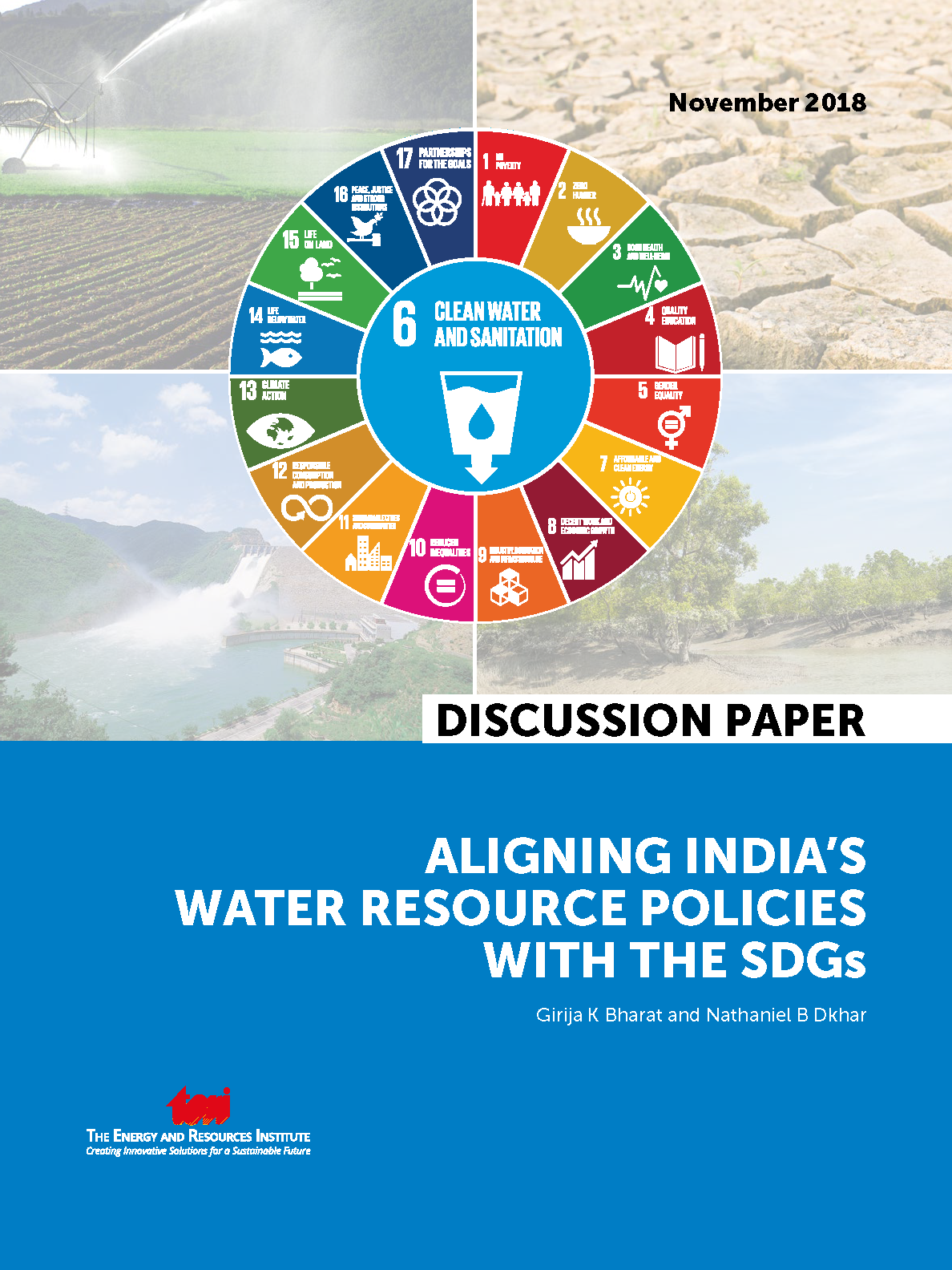
  37. Aligning India's Water Resource Policies with the SDGs

    Discussion paperNovember 2018

    Girija K Bharat, Nathaniel B Dkhar

    This discussion paper reviews India's water policy framework, including the National Water Policy 2012 and the National Water Mission, against Sustainable Development Goal 6. It looks at the links between SDG 6 and other goals in the Indian context. It ends with recommendations for policy.

    How to cite: Girija K Bharat, Nathaniel B Dkhar (2018). Aligning India's Water Resource Policies with the SDGs. The Energy and Resources Institute (TERI).

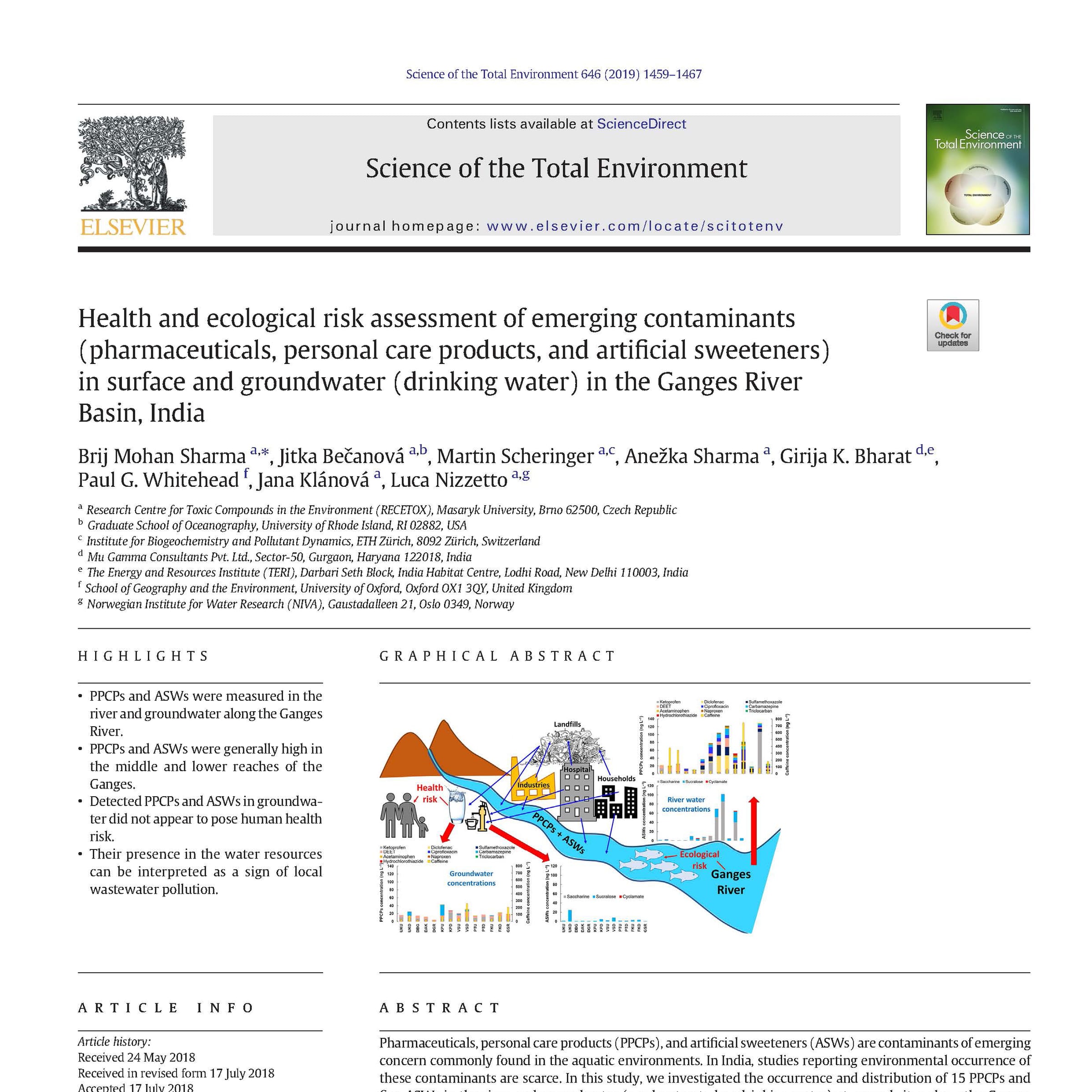
  38. Health and ecological risk assessment of emerging contaminants (pharmaceuticals, personal care products, and artificial sweeteners) in surface and groundwater (drinking water) in the Ganges River Basin, India

    Journal paperJuly 2018

    Brij Mohan Sharma, Jitka Bečanová, Martin Scheringer, Anežka Sharma, Girija K. Bharat, Paul G. Whitehead, Jana Klánová, Luca Nizzetto

    This study measured pharmaceuticals, personal care products and artificial sweeteners in river water and groundwater along the Ganges. Levels were generally higher in the middle and lower reaches. The amounts found in groundwater did not appear to pose a risk to human health, but their presence points to local wastewater pollution.

    How to cite: Brij Mohan Sharma, Jitka Bečanová, Martin Scheringer, Anežka Sharma, Girija K. Bharat, Paul G. Whitehead, Jana Klánová, Luca Nizzetto (2018). Health and ecological risk assessment of emerging contaminants (pharmaceuticals, personal care products, and artificial sweeteners) in surface and groundwater (drinking water) in the Ganges River Basin, India. Science of the Total Environment 646 (2019) 1459–1467.

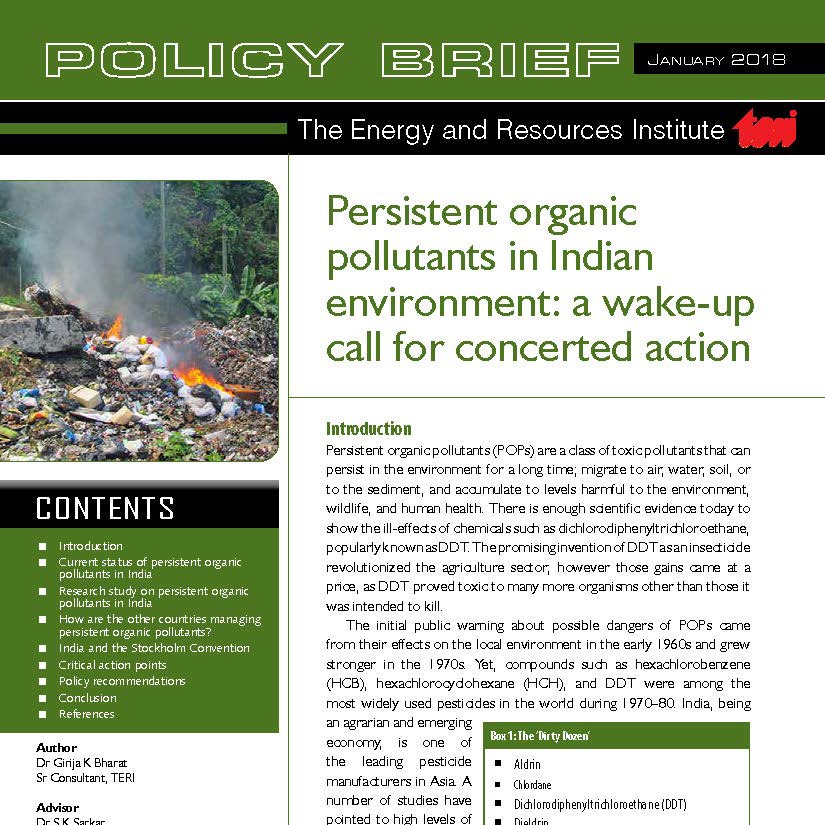
  39. Persistent organic pollutants in Indian environment: a wake-up call for concerted action

    Policy briefJanuary 2018

    Girija K Bharat; advisor S K Sarkar

    This TERI policy brief reviews the status of persistent organic pollutants (POPs) in India and how other countries manage them. It looks at India's obligations under the Stockholm Convention. It sets out critical action points and policy recommendations.

    How to cite: Girija K Bharat; advisor S K Sarkar (2018). Persistent organic pollutants in Indian environment: a wake-up call for concerted action. The Energy and Resources Institute (TERI).

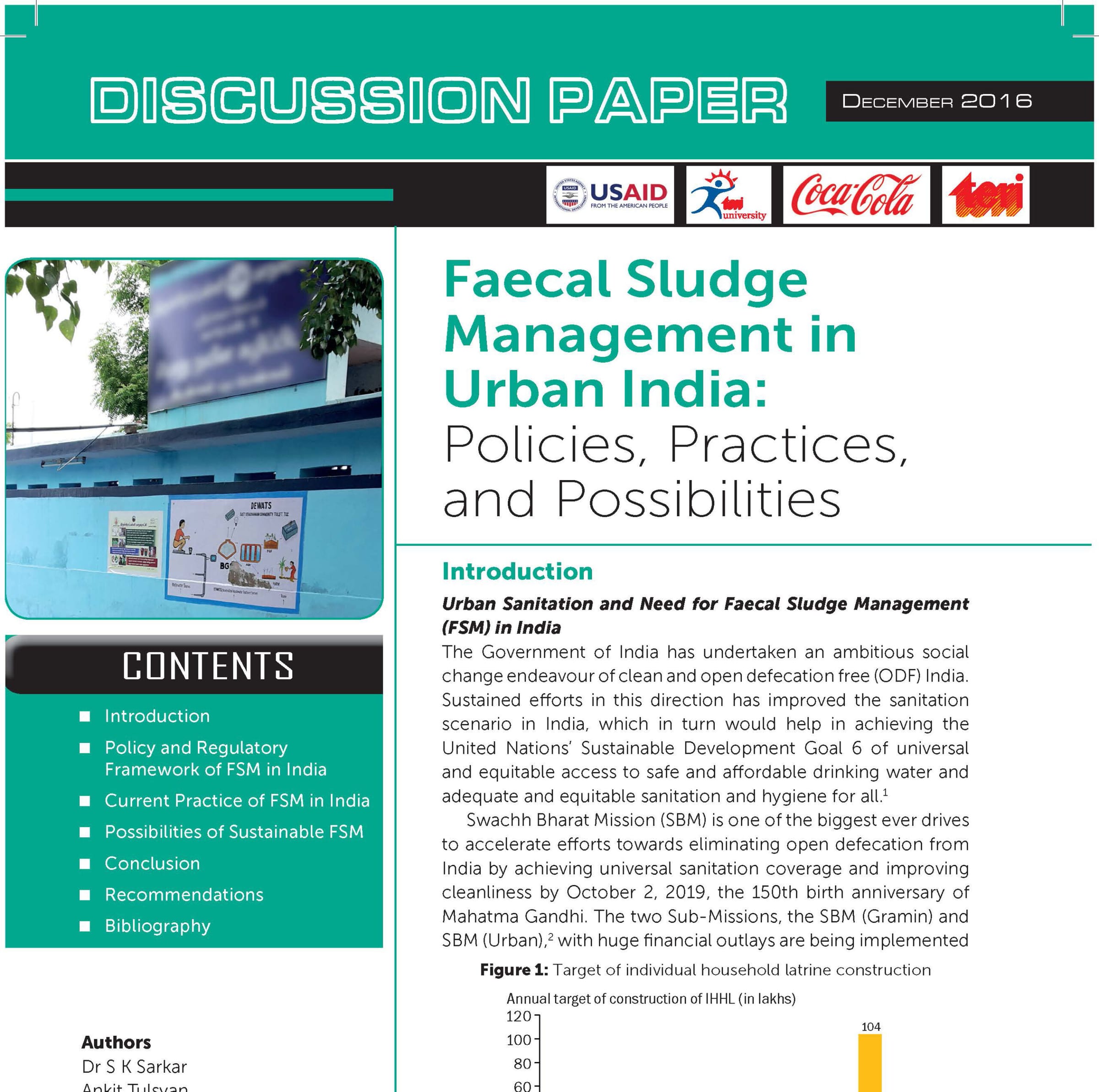
  40. Faecal Sludge Management in Urban India: Policies, Practices, and Possibilities

    Discussion paperDecember 2016

    S K Sarkar, Ankit Tulsyan, and others

    This discussion paper reviews the policy and regulatory framework for faecal sludge management in urban India and current practice. It considers the options for sustainable faecal sludge management under the Swachh Bharat Mission. It ends with conclusions and recommendations.

    How to cite: S K Sarkar, Ankit Tulsyan, and others (2016). Faecal Sludge Management in Urban India: Policies, Practices, and Possibilities. The Energy and Resources Institute (TERI).

  41. Perfluoroalkyl substances (PFAS) in river and ground/drinking water of the Ganges River basin: Emissions and implications for human exposure

    Journal paperOctober 2015

    Brij Mohan Sharma, Girija K. Bharat, Shresth Tayal, Thorjørn Larssen, Jitka Bečanová, Pavlína Karásková, Paul G. Whitehead, Martyn N. Futter, Dan Butterfield, Luca Nizzetto

    This study measured PFAS in river water and groundwater used for drinking at several places along the Ganges, and estimated emissions of PFOS and PFOA. Fifteen PFAS were often found in the river, with hotspots downstream of Kanpur and Patna. Daily intake through drinking water was below safety thresholds for all age groups.

    How to cite: Brij Mohan Sharma, Girija K. Bharat, Shresth Tayal, Thorjørn Larssen, Jitka Bečanová, Pavlína Karásková, Paul G. Whitehead, Martyn N. Futter, Dan Butterfield, Luca Nizzetto (2015). Perfluoroalkyl substances (PFAS) in river and ground/drinking water of the Ganges River basin: Emissions and implications for human exposure. Environmental Pollution 208 (2016) 704–713.

  42. Melting Himalayan glaciers contaminated by legacy atmospheric depositions are important sources of PCBs and high-molecular-weight PAHs for the Ganges floodplain during dry periods

    Journal paperAugust 2015

    Brij Mohan Sharma, Luca Nizzetto, Girija K. Bharat, Shresth Tayal, Lisa Melymuk, Ondřej Sáňka, Petra Přibylová, Ondřej Audy, Thorjørn Larssen

    This study analysed air, deposition and river water along the Ganges and its headwaters. It shows that melting Himalayan glaciers can be a major source of PCBs and heavy PAHs for surface water in the Gangetic Plain in the dry season. By releasing these legacy pollutants, climate change can raise exposure in northern India.

    How to cite: Brij Mohan Sharma, Luca Nizzetto, Girija K. Bharat, Shresth Tayal, Lisa Melymuk, Ondřej Sáňka, Petra Přibylová, Ondřej Audy, Thorjørn Larssen (2015). Melting Himalayan glaciers contaminated by legacy atmospheric depositions are important sources of PCBs and high-molecular-weight PAHs for the Ganges floodplain during dry periods. Environmental Pollution 206 (2015) 588–596.

  43. Perspectives on a Water Resource Policy for India

    Discussion paperOctober 2014

    S Vijay Kumar, Girija K Bharat

    This TERI discussion paper reviews India's legal and policy framework for water, including the National Water Policy and state water policies. It notes that India has nearly 17 per cent of the world's population but only 4 per cent of its water resources. It sets out the essentials for sustainable water management and critical action points.

    How to cite: S Vijay Kumar, Girija K Bharat (2014). Perspectives on a Water Resource Policy for India. The Energy and Resources Institute (TERI).

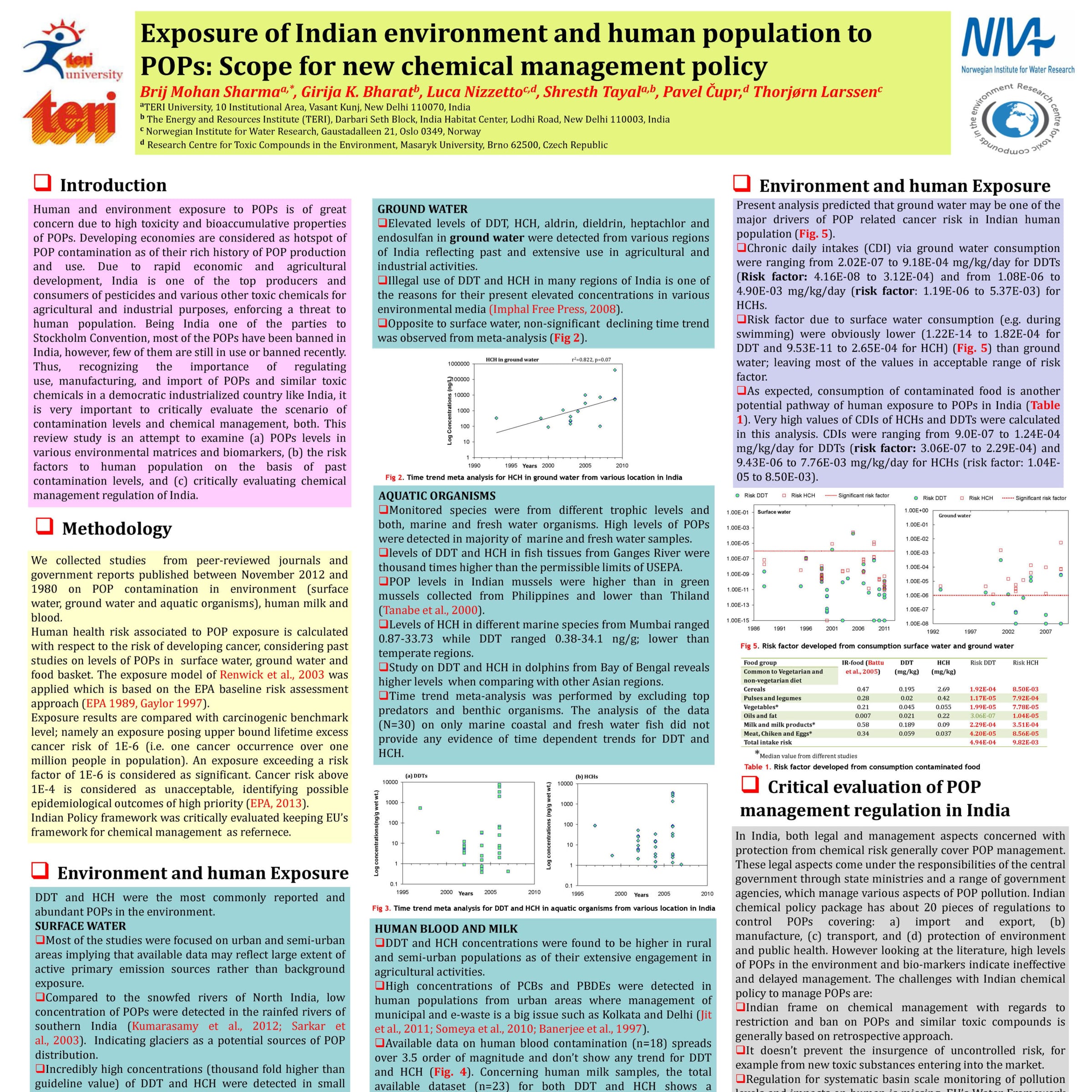
  44. Exposure of Indian environment and human population to POPs: Scope for new chemical management policy

    Journal paperAugust 2014

    Brij Mohan Sharma, Girija K. Bharat, Luca Nizzetto, Shresth Tayal, Pavel Čupr, Thorjørn Larssen

    This scientific poster summarises POP levels in India's surface water, groundwater and people, and the risks they pose. It notes that illegal use of DDT and HCH may explain continued high levels. It argues for a critical review of India's chemical management rules.

    How to cite: Brij Mohan Sharma, Girija K. Bharat, Luca Nizzetto, Shresth Tayal, Pavel Čupr, Thorjørn Larssen (2014). Exposure of Indian environment and human population to POPs: Scope for new chemical management policy. Conference poster.

  45. The legal framework to manage chemical pollution in India and the lesson from the Persistent Organic Pollutants (POPs)

    Journal paperJune 2014

    Brij Mohan Sharma, Girija K. Bharat, Shresth Tayal, Luca Nizzetto, Thorjørn Larssen

    This review compares India's laws and schemes for managing chemical risk with those of developed countries. It finds that India's body of regulation is large but fragmented, and uses POPs contamination to show that it has not protected the environment and health. It recommends a single, science-based scheme for chemical risk management.

    How to cite: Brij Mohan Sharma, Girija K. Bharat, Shresth Tayal, Luca Nizzetto, Thorjørn Larssen (2014). The legal framework to manage chemical pollution in India and the lesson from the Persistent Organic Pollutants (POPs). Science of the Total Environment 490 (2014) 733–747.

  46. Environment and human exposure to persistent organic pollutants (POPs) in India: A systematic review of recent and historical data

    Journal paperFebruary 2014

    Brij Mohan Sharma, Girija K. Bharat, Shresth Tayal, Luca Nizzetto, Pavel Čupr, Thorjørn Larssen

    This review analyses past and recent data on persistent organic pollutants (POPs) in India's environment and people. It finds high contamination by DDT and HCH and no evidence of a general decline over time. Unlike China, India showed no clear downward trend.

    How to cite: Brij Mohan Sharma, Girija K. Bharat, Shresth Tayal, Luca Nizzetto, Pavel Čupr, Thorjørn Larssen (2014). Environment and human exposure to persistent organic pollutants (POPs) in India: A systematic review of recent and historical data. Environment International 66 (2014) 48–64.